Breaking News

This is default featured slide 1 title

Go to Blogger edit html and find these sentences.Now replace these sentences with your own descriptions.

This is default featured slide 2 title

Go to Blogger edit html and find these sentences.Now replace these sentences with your own descriptions.

This is default featured slide 3 title

Go to Blogger edit html and find these sentences.Now replace these sentences with your own descriptions.

This is default featured slide 4 title

Go to Blogger edit html and find these sentences.Now replace these sentences with your own descriptions.

This is default featured slide 5 title

Go to Blogger edit html and find these sentences.Now replace these sentences with your own descriptions.

Tuesday, November 5, 2019

āĻĻেāĻļেāϰ āϤৈāϰি āϏাāĻŽাāϜিāĻ• āϝোāĻ—াāϝোāĻ— āĻŽাāϧ্āϝāĻŽ āϝোāĻ—াāϝোāĻ— āĻĄāϟāĻ•āĻŽ ( zogajog.com)


āĻĻেāĻļেāϰ āϤৈāϰি āϏাāĻŽাāϜিāĻ• āϝোāĻ—াāϝোāĻ— āĻŽাāϧ্āϝāĻŽ https://zogajog.com/
āφāĻĒāύি āĻ•ি āĻāχ āϜāύ্āϝ āĻ—āϰ্āĻŦāĻŦোāϧ āĻ•āϰেāύ āφāĻĒāύাāϰ āĻāĻ•āϟি āĻĢেāϏāĻŦুāĻ• āĻāĻ•াāωāύ্āϟ āφāĻ›ে?? āύাāĻ•ি āĻāχ āϜāύ্āϝ āĻ—āϰ্āĻŦāĻŦোāϧ āĻ•āϰেāύ āĻĢেāϏāĻŦুāĻ• āĻāĻ–āύ āĻ…āύেāĻ• āωāύ্āύāϤ āĻ“ āφāϧুāύিāĻ•? āĻ•াāϰāĻŖ āϝেāϟাāχ āĻšোāĻ• āύা āĻ•েāύ āĻĒুāϰোāϟাāχ āφāĻĒāύাāϰ āĻŦ্āϝāĻ•্āϤিāĻ—āϤ āĻ…āϧিāĻ•াāϰ। āϤāĻŦে āφāĻŽাāϰāĻ“ āĻāĻ•āϟি āĻ—āϰ্āĻŦ āĻ•āϰাāϰ āĻŽāϤ āĻāĻ•āϟি āĻāĻ•াāωāύ্āϟ āφāĻ›ে । āϤāĻŦে āĻšা āĻ…āĻŦāĻļ্āϝāχ āĻĢেāϏāĻŦুāĻ• āύ⧟। āφāĻŽাāĻĻেāϰ āύিāϜāϏ্āĻŦ āĻ“ āĻĻেāĻļী⧟ āϏাāĻŽাāϜিāĻ• āϝোāĻ—াāϝোāĻ— āĻŽাāϧ্āϝāĻŽ āϝোāĻ—াāϝোāĻ— āĻāϰ। āĻĻেāĻļী⧟ āϏাāχāϟ āĻŽাāύেāχ āĻ…āĻŦāĻšেāϞা āĻ•āϰāϤে āĻšāĻŦে āϤা āĻ•িāύ্āϤু āύ⧟। āφāĻŽাāϰ āφāĻĒāύাāϰ āϏāĻšāϝোāĻ—ীāϤা⧟ āϝোāĻ—াāϝোāĻ— āĻāĻ•āϟি āĻ­াāϞ āĻ…āĻŦāϏ্āĻĨাāύে āϝেāϤে āĻĒাāϰāĻŦে। āϏাāĻŽāύে āĻāχ āϏাāχāϟেāϰ āĻāύ্āĻĄ্āϰ⧟েāĻĄ āĻ্āϝাāĻĒāϏ, āĻŦ্āϰাāωāϜিং āĻ“ āĻŽেāϏেāϜিং āĻāϰ āϜāύ্āϝ āφāϞাāĻĻা āφāϞাāĻĻা āĻ­াāĻŦে āĻĒাāĻŦেāύ āĻāχ āĻ্āϝাāĻĒāϏ।
Why Do We Use zogajog?


Boniyeamin Laju
social media over the past decade or so has turned many of us in the millennial generation and beyond into virtual social animals with the knowledge of how to interact with “friends” in an online space that you can personally tailor.
Features:
--------------------------------------------------------------------
• High Performance & High-Level Cache System.
• With our new feature, users can posts, photos, videos.
• International and other languages.
• Social Login: With zogajog you can log in via most famous social media websites like (Facebook – Twitter – Google+ – LinkedIn – Vk – Instagram).
• Easy & Nice Looking URL: Users, Pages, Group all in one tiny URL!
• User Last Seen: Displays user’s last seen/online status.
• Profile visit Notification: Receive notification from users who visited your profile.
• Friends & Follow System: ZOGAJOG Supports friends system like Facebook, follow a system like twitter.
• Home/News Feed: Displays Posts, Photos, Files, Videos, and Maps posted by friends/followed people, Also story filters, follow/friends suggestions, and user activities list.
• User Timeline: Displays user?s profile with Posts, Photos, Videos posted and shared by the user.
• Pages: Users can create unlimited pages and invite their friends to like the pages.
• Groups: Users can create unlimited groups and invite/add their friends to his joined groups.
• Games: Users can play unlimited flash games.
• Social Videos Support: User can easily share videos from the biggest videos sharing websites like Youtube, Dailymotion, Vine, Vimeo, Facebook videos & Soundcloud music
• Photo Album: User can create unlimited photo albums with a nice looking style.
• Cover Picture: Dynamic Cover for users.
• Profile Picture: Dynamic profile picture for users.
• User Privacy: Control who can message you, post on your timeline, follow you, confirm follow requests or not, last seen, etc.
• User Profile Info: Displays user’s profile information (birthday, website, gender, social media, about, last seen, etc).
• Notifications: Receive notification from users (likes, dislikes, comments, wonders, shares .. etc)
 #Hashtags: Displays trending and related topics shared by users.
• @Mentions: Use @username to tag people in a status or message.
• Post Publisher: Status, Sound cloud, YouTube, Vine, Google Maps, Videos, Files, Photos, and emoticons.
• Delete & Edit Posts: User can delete and edit his own posts.
• Save Posts: Users can save posts to view them later.
• User Events: Users can share their events like feelings/travailing/watching/playing/listening.
• Recent Search: Whatever the user was looking for, all will be saved into recent searches with the ability to clear them.
• Post Privacy: User can choose the posted privacy (Only me, Everyone.. etc)
• Likes: Like or unlike a post. View a list of people who like this.
• Dislike: Dislike a post. View a list of people who dislike this.
• Comments & Replies: Comment on a post, reply to a comment, View all post comments.
• Search: Search for people, #Hashtags with our filtered search system.
• Reports: Report posts to be checked by administrators.
• Live Chat: Real-time live chat system, (online, offline) status.
• Messages: Send and receive private messages & share files from other Users.
• API: retrieve user data, user posts, search for users via API.
• Activities: Displays user’s latest activities (likes, shares, comments, wonders)
• Multi-Languages: 4 Languages (Arabic, English, Russian, Turkish) with the ability to add unlimited languages.
• Verified Profiles/Pages.
• Fully responsive for all devices, browsers.
• Password recovery by email.
• Online user counters on admin & home page.
• Comment auto detector
• Emoticons.
and much more…


Wednesday, July 10, 2019

Top 20 Websites to Learn Coding for Free


Learn coding online for free
Today you can learn how to code online, entirely for free. Gone are the days where learning to code was reserved for the select few, or cost quite a hefty amount of money.
Even if you have no desire to go into the development field, learning a programming language can be very beneficial:
  • It’ll help you better manage websites;
  • It’ll reduce reliance on an outside developer for your own projects;
  • It’ll give you the freedom to build apps, websites, and other projects with ease.
Whether you want to start your own career as a programmer, learn how to build websites, or create projects for fun, this post is for you. Below we dive into the best places online where you can learn to code for free.
P.S. If you’re looking for a reliable place to hone your coding skills, we have just the thing! An entirely free web hosting platform where you can put your newly learned skills to use.
Alternatively, you may get premium hosting at Hostinger with 30 days money back guarantee for a more robust and powerful hosting environment.
Let’s have a look at the best 20 places to learn coding for free:

1. BitDegree

Learn coding online for free with BitDegree
BitDegree offers a ton of free courses that range from programming to game development.
They offer standard online courses and gamified courses. Gamified courses help to bring achievement and interaction into the learning process. All you have to do is choose your language and start learning.
There are a variety of programming languages covered, but the most popular ones are highlighted below:
  • HTML
  • CSS
  • PHP
  • Javascript
  • SQL
  • JQuery
BitDegree also does something unique by incorporating blockchain into the education process. There are transparent rewards and an achievement system that helps businesses recruit tech talent, and measure course success.

2. Code Academy

Learn coding online for free with Code Academy
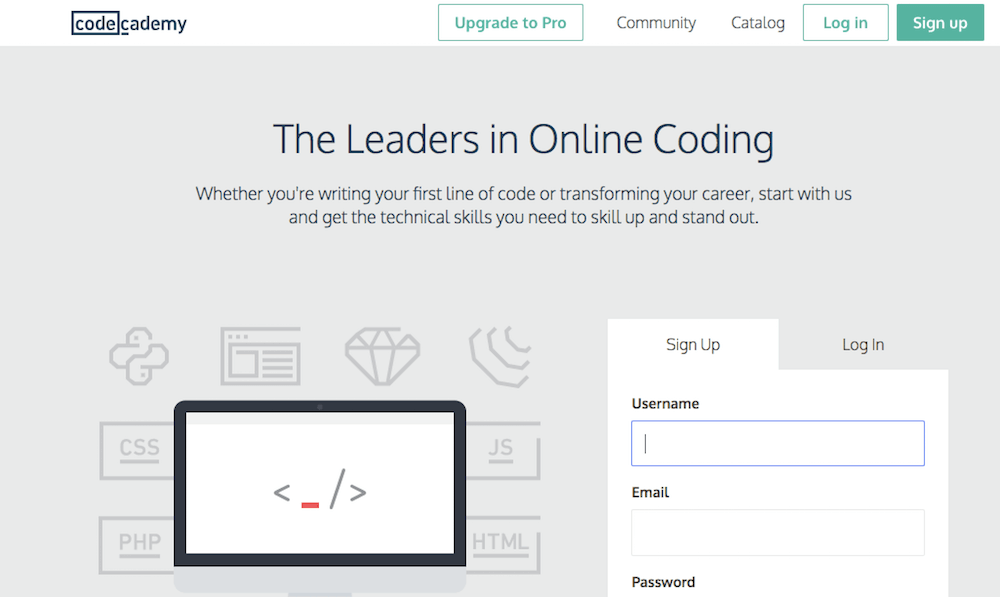
Code Academy is one of the most popular sites where people learn to code for free. More than 24 million people have learned to code using this platform.
They offer courses ranging from introductory programming to more advanced languages. The interactive learning approach lets you immediately apply what you’ve learned. There are over 300 million hours of free coding content available to take you from complete beginner to working programmer.
Some of the languages you’ll be able to learn at Code Academy include:
  • HTML
  • JavaScript
  • CSS
  • jQuery
  • PHP
  • Python
  • Ruby
There are several other courses available as well, but the languages above are the core focus.

3. MIT Open Courseware

Learn coding online for free with MIT Open Courseware
The OpenCourseWare Initiative brings all of MIT’s undergraduate and graduate courses online. Even without getting into MIT you can get an MIT-level education, provided you have the motivation to complete the work.
There are a lot of different subjects available, one of those being computer science. You can go through the degree program, or take individual courses.
For example, you’ll find a variety of introductory computer programming courses like Python, C and C++, and Java.

4. Free Code Camp

Learn coding online for free with Free Code Camp
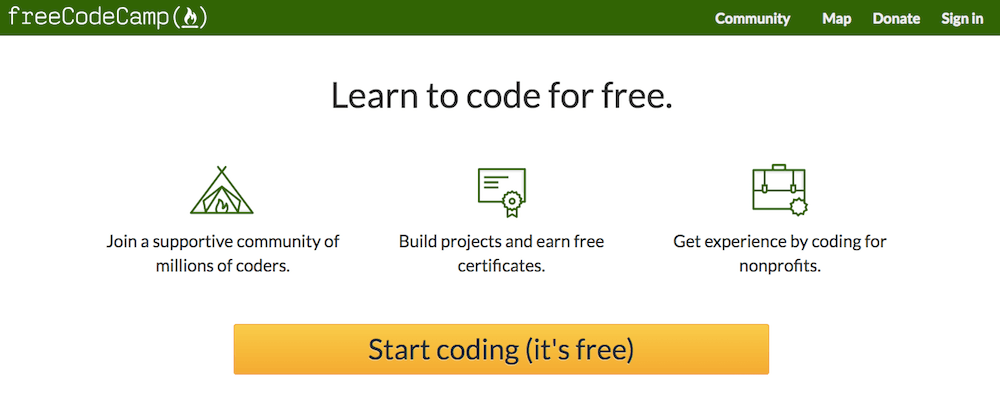
Free Code Camp is all about creating real-life relationships and building a community around programming education. It provides the chance to learn coding by participating in various challenges. You’ll get access to programming tutorials and courses to help you complete each challenge.
Once you have some skills you’ll be able to apply this to the real-world by building tradable projects and coding for non-profits. Some of the languages and skills covered include:
  • HTML5
  • CSS3
  • Javascript
  • Node.js
  • React.js
  • D3.js
  • Databases
  • Git and Github
Best of all, you won’t be coding alone either. There’s a community forum with others who are learning alongside you. And you have the option to meet other coders who happen to live in your city to exchange knowledge.

5. Code School

Learn coding online for free with Code School
Code School is an online learning platform that offers both free and paid courses. It’s currently impacted over one million students across the globe.
The platform is organized into different learning paths and defined by languages and skills. Their approach to education is laid out as follows:
  1. You choose your education path that’s created by professional instructors and work through the material.
  2. You practice what you’ve learned directly in your browser window, and get immediate feedback.
  3. You rack up points as you complete each course level.
  4. You monitor your progress and keep track of all your achievements, badges earned, and material consumed.
Some of the learning tracks offered include:
  • HTML and CSS
  • Javascript
  • Ruby
  • Elixir
  • PHP
  • Python
  • iOS
  • Databases

6. Codewars

Learn coding online for free with Codewars
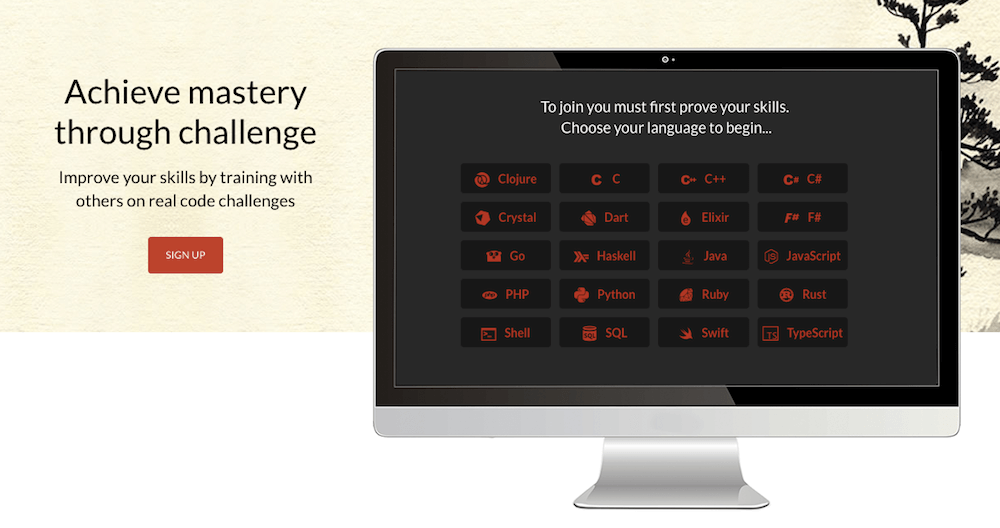
Codewars teaches you your desired programming language via a series of challenges. These code challenges draw from martial arts as each challenge is referred to as a kata.
The goal of each challenge is to help you sharpen your existing skills with a certain programming language or to learn a new one from scratch.
As you progress through each kata, the challenges will get tougher and tougher. Once a challenge is complete you’ll be able to see how your solution stacks up to others. This will show you different techniques for solving certain development problems.
Some of the languages you can learn with Codewars include:
  • Java
  • Javascript
  • C#
  • Ruby
  • Python
  • SQL

7. Dash General Assembly

Learn coding online for free with Dash General Assembly
Dash is a free online course that’ll teach you the basics of web development, all within your web browser.
You’ll learn the basics of HTML5, CSS3, and Javascript, and how these languages work together to create a beautiful, modern website. In addition, you will have to build a series of small projects that all integrate together at the end to show you how to create a website of your own.
With Dash, you’ll come away with an understanding of the bigger picture of website development. It’s a great place for beginners with no previous development experience.

8. Code Conquest

Learn coding online for free with Code Conquest
Code Conquest is a great platform that’ll help you learn the basics of coding. Even if you’ve never written a line of code in your life, or don’t even know what coding is, this platform will help you get started from square one.
It’s designed to walk you through the process of:
  1. Learning what coding is.
  2. Choosing which languages to learn.
  3. Knowing how to improve your knowledge and skills.
  4. Applying these skills to real-life problems.
On the site, you’ll find a variety of tutorials that’ll help you learn programming languages like:
  • HTML and CSS
  • Javascript
  • PHP
  • Ruby
  • jQuery
  • Python
  • MySQL
Beyond everything above, you’ll receive specific recommendations to extend your education with different tools and platforms.

9. The Odin Project

Learn coding online for free with The Odin Project
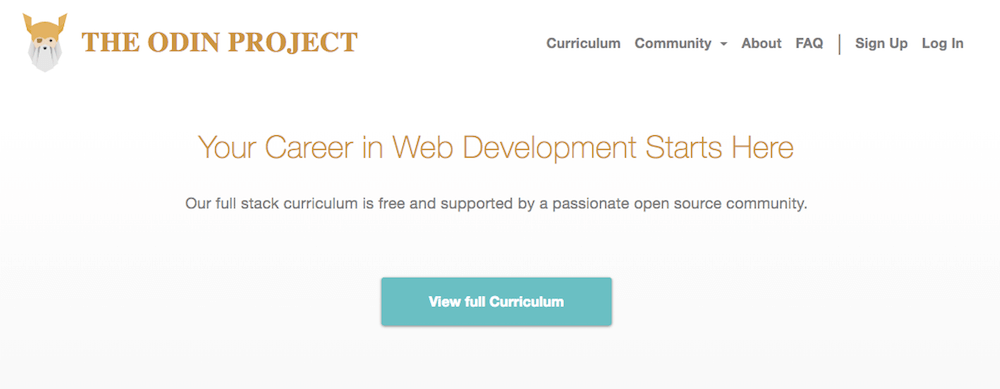
The Odin Project takes all the guesswork out of learning web development. When you’re trying to learn to program on your own it can be difficult to put all the skills you’re learning together.
You know the pieces to the puzzle, but you can’t quite figure out where they go. This platform has created a logical process from the best educational sources available on the web. Furthermore, you will learn to build projects along the way and have an active community to help you through the process.
You’ll learn programming languages and skills like:
  • HTML and CSS
  • Git
  • Javascript
  • Ruby and Ruby on Rails
  • Databases
  • How to get hired with your newfound skills

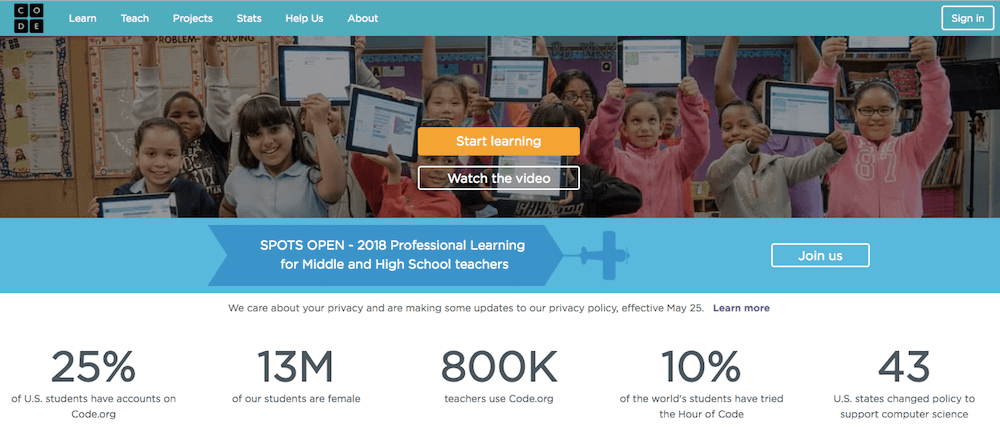
10. Code.org

Learn coding online for free with Code.org
Code.org is built with the goal of making programming a part of the regular education curriculum. Over a million people have used this site to further their programming knowledge and skills.
The education approach you take is up to you. You can dive into the one-hour tutorials, or take a more structured approach.
There’s also a large catalog of courses that broken down by different age ranges from K-5, 6-12, and even University level.

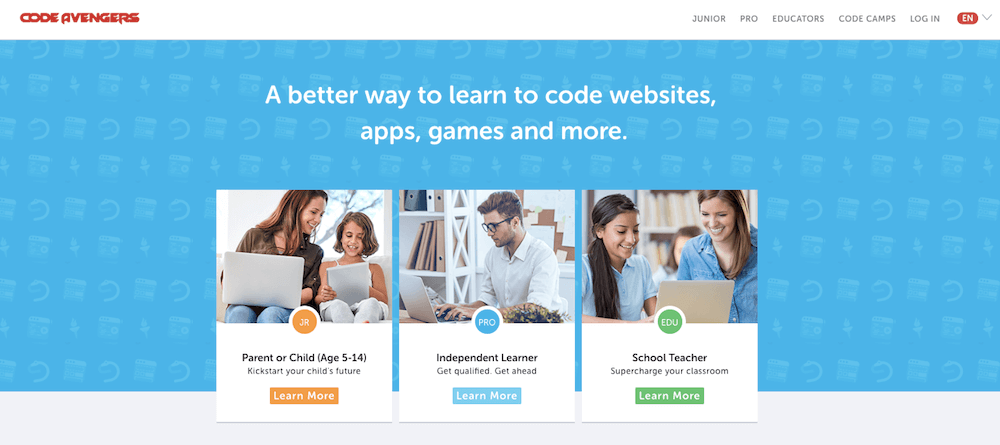
11. Code Avengers

Learn coding online for free with Code Avengers
Code Avengers takes an interactive and fun approach to learning programming. There are a variety of courses that’ll teach you how to code websites, apps, and even games.
Each course on the site will take 12 hours to complete and is available in a multitude of different languages. Plus, there’s a community filled with programming experts to support you.
With Code Avengers you’ll learn languages and skills like:
  • HTML and CSS
  • Python
  • Javascript
  • jQuery
  • Web Development
There is a 7-day free trial that’ll help you determine if it’s worth investing in the entire program.

12. Khan Academy

Learn coding online for free with Khan Academy
Khan Academy is a massive online learning platform. It’s a great place to start developing a wealth of coding related knowledge and skills. You’ll find courses and tutorials that range from computer programming basics, all the way up to advanced applications.
All courses are taught by experts. However, students are encouraged to share what they’ve learned throughout the process. With Khan Academy, you’ll be able to learn and pick up programming languages like:
  • HTML
  • CSS
  • Javascript
  • Databases
There are also foundational courses that teach you the philosophy and skills behind computer programming as a whole.

13. edX

Learn coding online for free with edX
edX is a massive open source higher education learning platform. It currently has a network of over 5 million students.
The site is broken down into many different categories, that extend far beyond programming. Since you’re here to learn to code you’ll find the most value in the ‘Computer Science’ category.
Here you’ll find tutorials that teach you languages and skills like:
  • HTML and CSS
  • Java
  • jQuery
  • C++
  • C#
  • Python
  • SQL
  • Mobile app development
There are also paid courses available. But there are enough free educational materials to teach you the basics of coding.

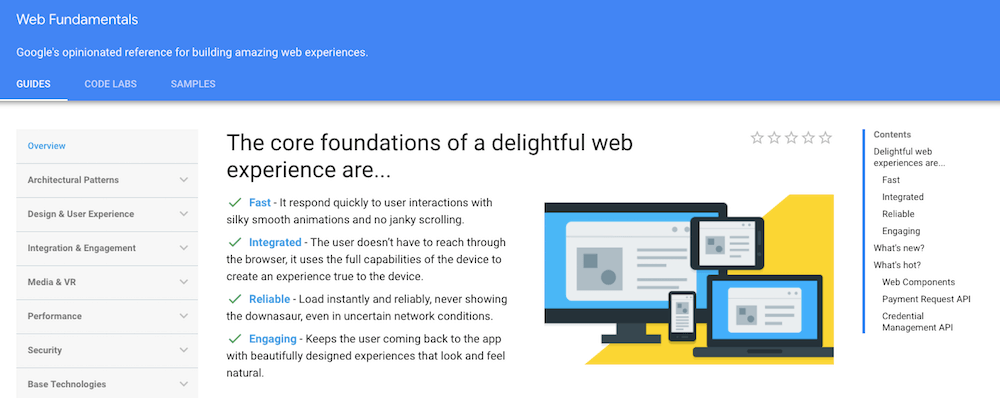
14. Web Fundamentals by Google

Learn coding online for free with Google Web Fundamentals
Web Fundamentals (previously HTML5 Rocks) is created by Google. Its goal is to provide useful and up to date tutorials about the web’s latest and best practices.
You’ll find a variety of tutorials that’ll help you learn the cutting edge practices for programming on the modern web.
Since the site is oriented towards intermediate and advanced developers, you’ll want to have a grasp of the basics before you get started.
But, if you’re looking for a great resource to help expand your knowledge of web development today, then this is a great resource.

15. Codeasy.net

Learn coding online for free with Codeasy.net
Codeasy.net offers a very unique and fun way to learn how to code. You’ll be immersed in an adventure story that requires real-life programming skills to navigate your way through.
Throughout the story, you’ll be taught the basics of C#, all the way up to more advanced topics and functions. It’s designed with complete beginners in mind, so you don’t need any knowledge of software development to get started.
The best part about this educational experience is that it doesn’t feel like you’re learning. Your goal is to save the world from a machine invasion, and you’ll use your newly acquired coding skills to do it.

16. Hack.pledge ()

Learn coding online for free with Hack Pledge
Hack.pledge () is a community made up of seasoned developers, who can share their knowledge and mentor the next generation of programmers. Here, you can perfect your development skills by learning from some of the top developers in the field.
To get started you’ll sign the pledge, committing yourself to master craftsmanship in software development. Inside you’ll have access to a wealth of information that’ll help you step up your coding skills.
Aside from learning, you’ll have the ability to connect with a mentor who’s currently at the top of their field.

17. aGupieWare

Learn coding online for free with aGupieWare
aGupieWare is a free online curriculum based on courses offered by MIT, Carnegie Mellon, Berkeley, Stanford, and Columbia. In this program, you’ll find 15 different courses which are further broken down into 3 introductory classes, 7 core classes, and 5 electives.
This course is a great place to build a solid programming foundation. You’ll learn skills like:
  • Computer science
  • Swift programming
  • Python
  • Security testing
  • Linux
  • Hacking

18. Coursera

Learn coding online for free with Coursera
Coursera provides coding-based courses, tutorials, and resources taught by professors at leading universities. You’ll find hundreds of different coding-related courses to choose from.
To develop these courses they partnered with some of the best teachers at top-tier universities. Which means you’re learning how to code from some of the best resources out there. Every course on the site is completely free, but, if you want to receive a certification, then you’ll have to pay for that.
You’ll find a variety of courses available like:
  • Python
  • Java
  • HTML and CSS
  • IoT programming
  • C
  • Introduction to programming

19. Upskill

Learn coding online for free with Upskill
Upskill is a free online boot camp that’ll take you from beginner to advanced developer. The main focus of the course is teaching you web development, and it’s a great place to start, even if you have no experience.
You’ll learn coding skills such as:
  • WordPress plugin development
  • WordPress best practices
  • Javascript
  • HTML5 and CSS3
  • PHP
  • MySql
  • Node.js
  • Ruby on Rails
The curriculum is 100% project-based, which means that you’ll be building a real-world portfolio as you progress through the course.

20. Udemy

Learn coding online for free with Udemy

Wednesday, June 26, 2019

10 Best Torrent Sites To Download E-Books For Free

Top 10 Best Torrent Sites To Download E-Books

1Wikibooks

The first best torrent site for books is Wikibooks. This popular books torrent site has a massive database of e-books available in English, Deutsch, Portugues, Italiano, Hindi and five more languages. Wikibooks has a clean UI and searching ebooks is fairly simple.
So as to download book torrent from Wikibooks simply select your preferred language and search for the book that you want to download.

2The Pirate Bay

The Pirate Bay is one of the oldest and most reliable services for book torrents. This popular BitTorrent site for books has a minimal UI, and you can only find a search bar with some primary filters on the homepage.
A majority of torrents on The Pirate Bay are verified. Consequently, finding the right e-book won’t be an issue. It is worth noting that, The Pirate Bay is blocked in many countries and regions. So, you can check out the Best Pirate Bay alternatives.

3Free-eBooks.net

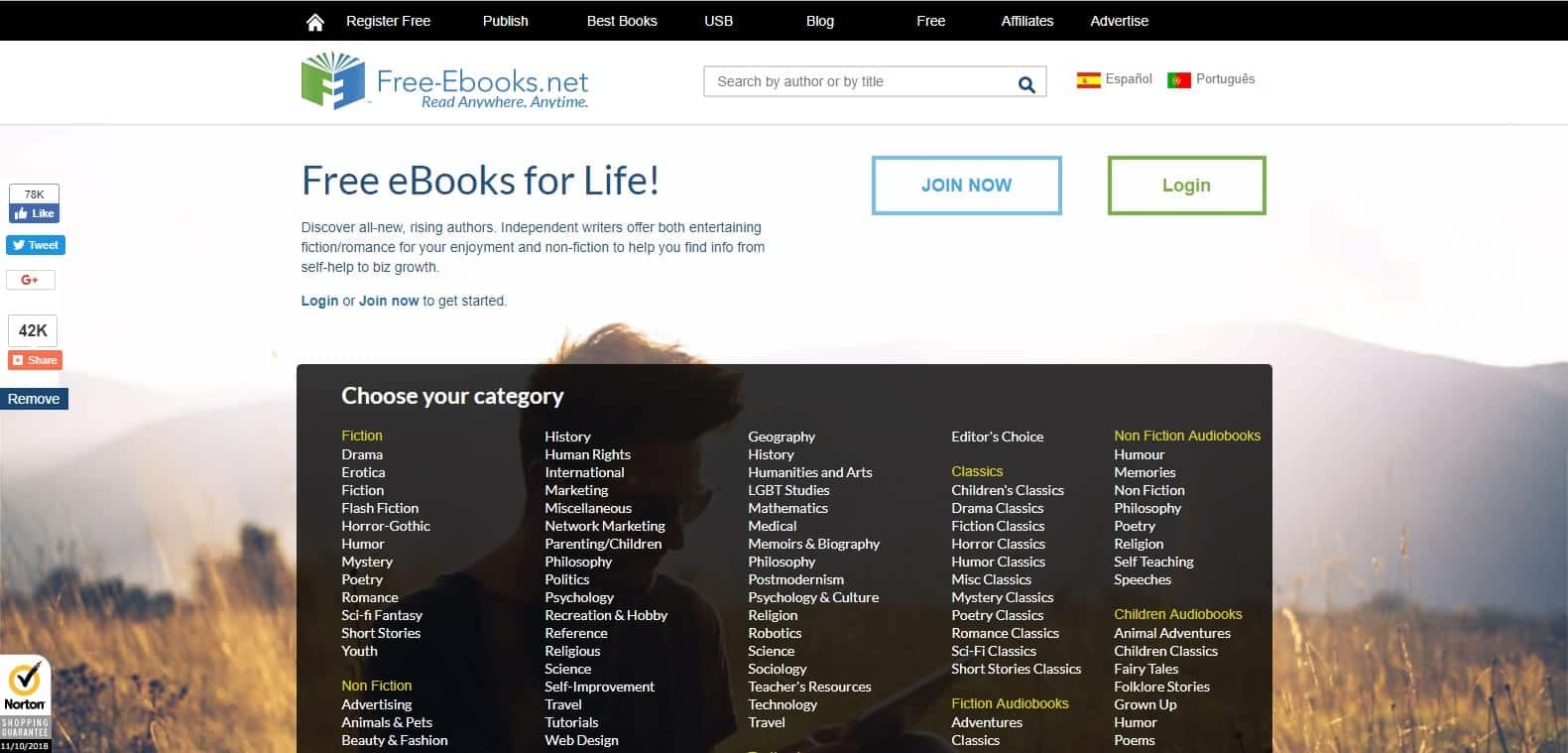
Free-eBooks.net is another reliable website for reading free ebooks. Content on Free-eBooks.net is very well organized into different sections like Fiction, Sci-fi Fantasy, Science, Philosophy, Business, Technology, and much more.
All ebooks on Free-eBooks.net are available in pdf format. Furthermore, the website displays the size and number of downloads for every ebook on the platform. Lastly, its necessary to signup for the service before downloading free ebooks.

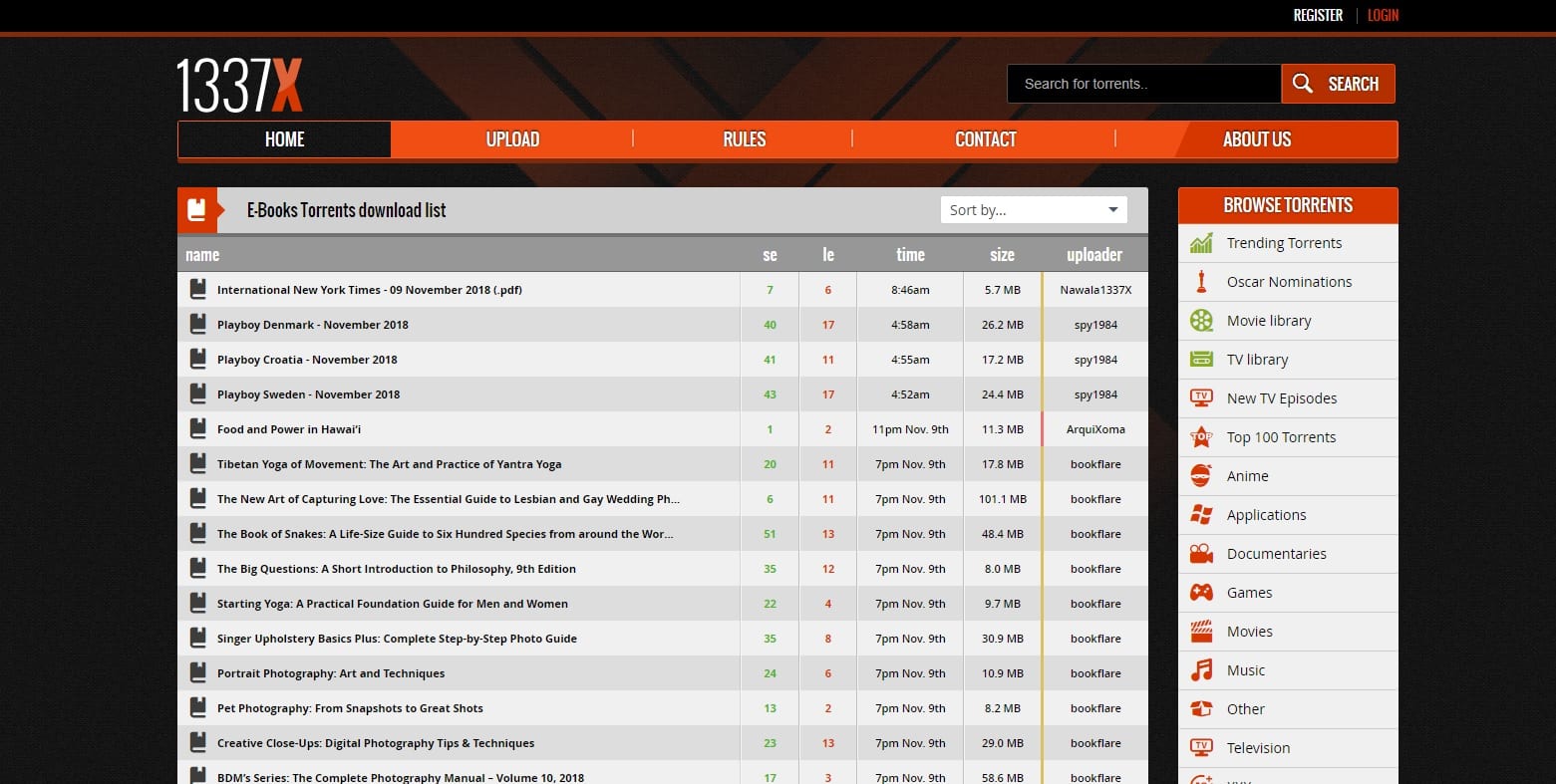
41337X

The next best torrent site for books is 1337X. Well, 1337X has dedicated sections for both ebooks and audiobooks.
1337X allows users to upload and share all sort of ebooks on the platform. The well-developed UI makes it easier for users to search and download book torrents even using the magnet links.
In addition to ebooks, you can even also download movies, televisions, games, music, anime, apps, documentaries and much more.

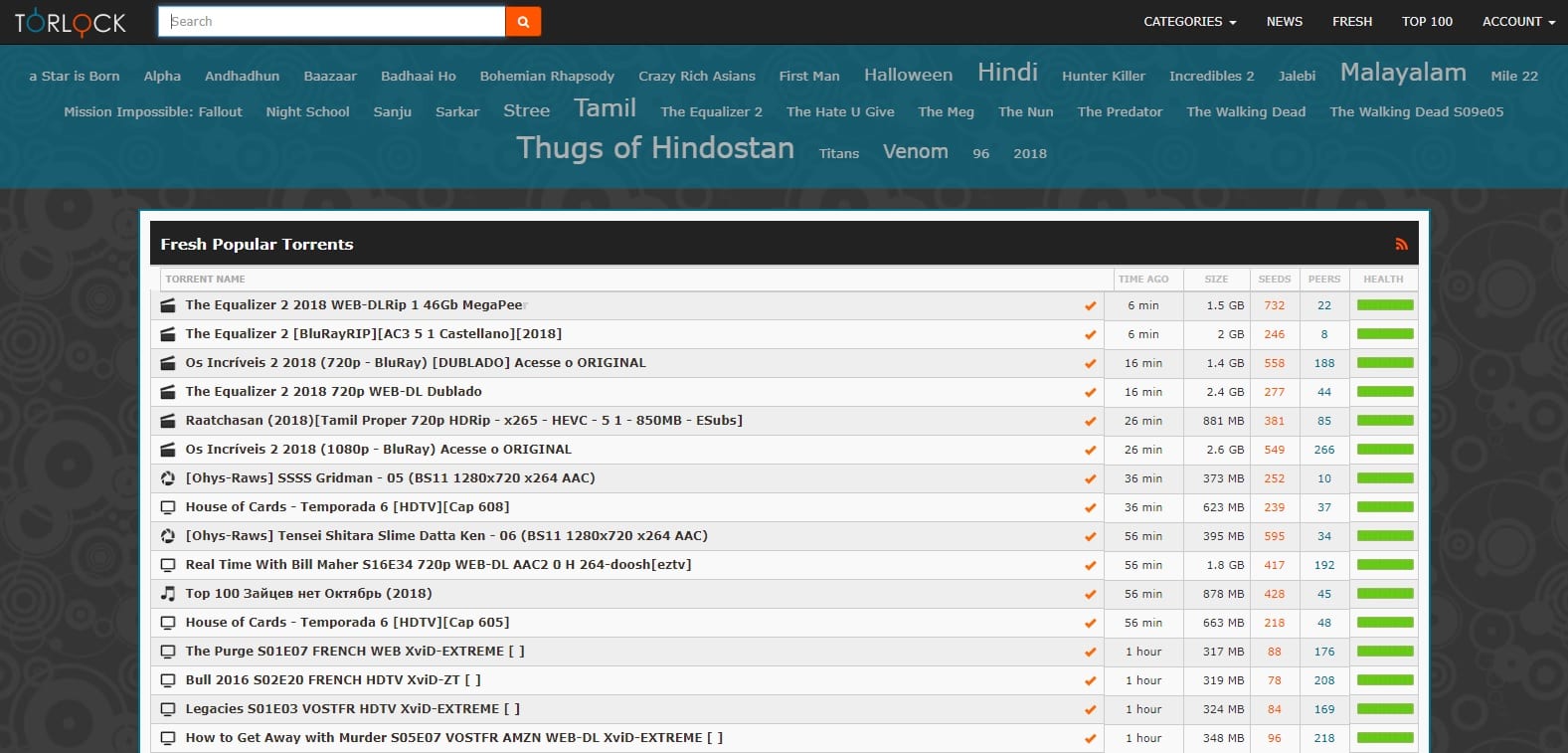
5Torlock

Torlock is another reliable torrent books website that has a clean and simple UI. Similar to 1337X Torlock also has a dedicated section for ebooks.
Furthermore, Torlock is one among very few websites that only list verified torrents. Searching and downloading your favorite ebook is fairly straightforward.
Overall Torlock is a perfect website for ebook torrents. As for downsides, advertisements on Torlock may annoy some users.

6Books-share

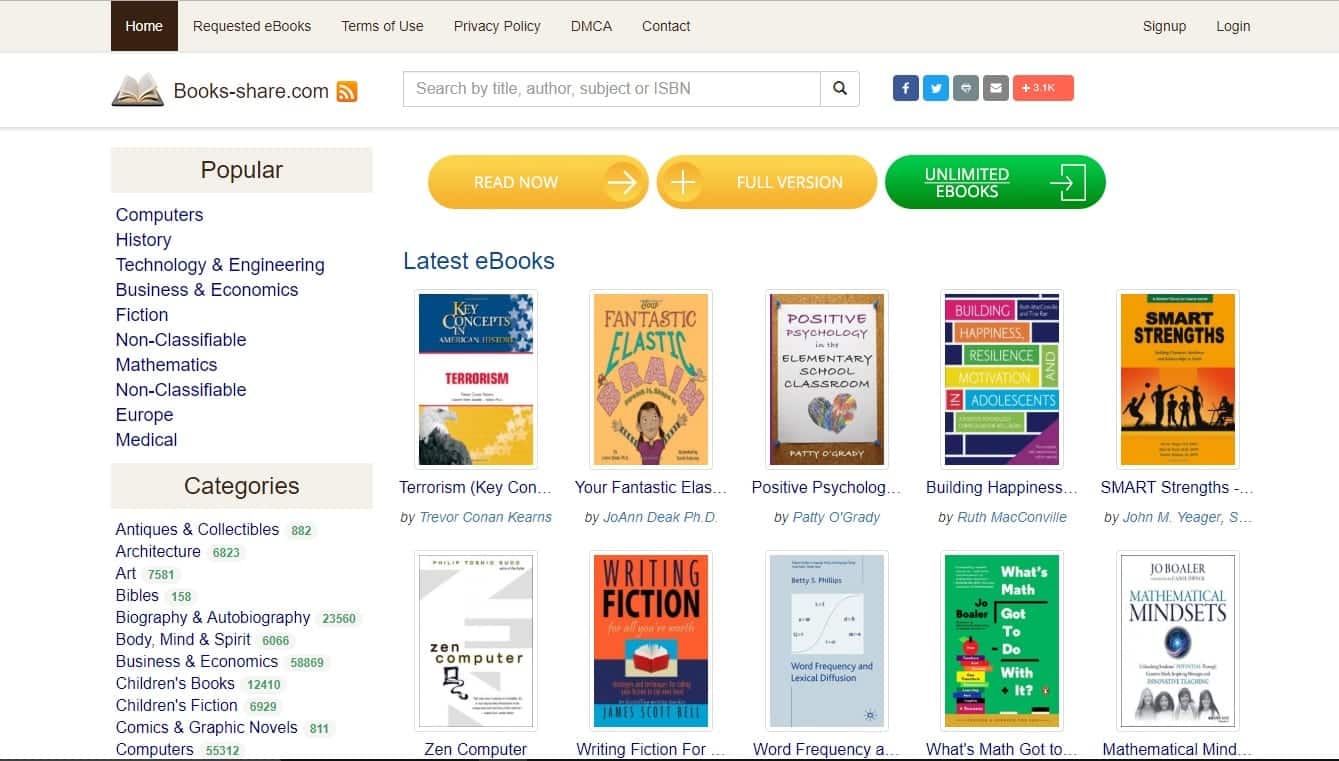
Books-share is one among the best torrent sites for ebooks. All of the ebooks are very well organized into different categories like Technology & Engineering, Humor, Literary collections, Psychology, Religion and much more.
This torrent site for books displays the language, the number of pages, and offers a detailed description for every ebook on the platform.
The clean and simple UI of Books-share makes it easier for users to search and download their favorite ebooks. It is worth noting that, you have to signup for the service before downloading ebooks.

7Torrent9

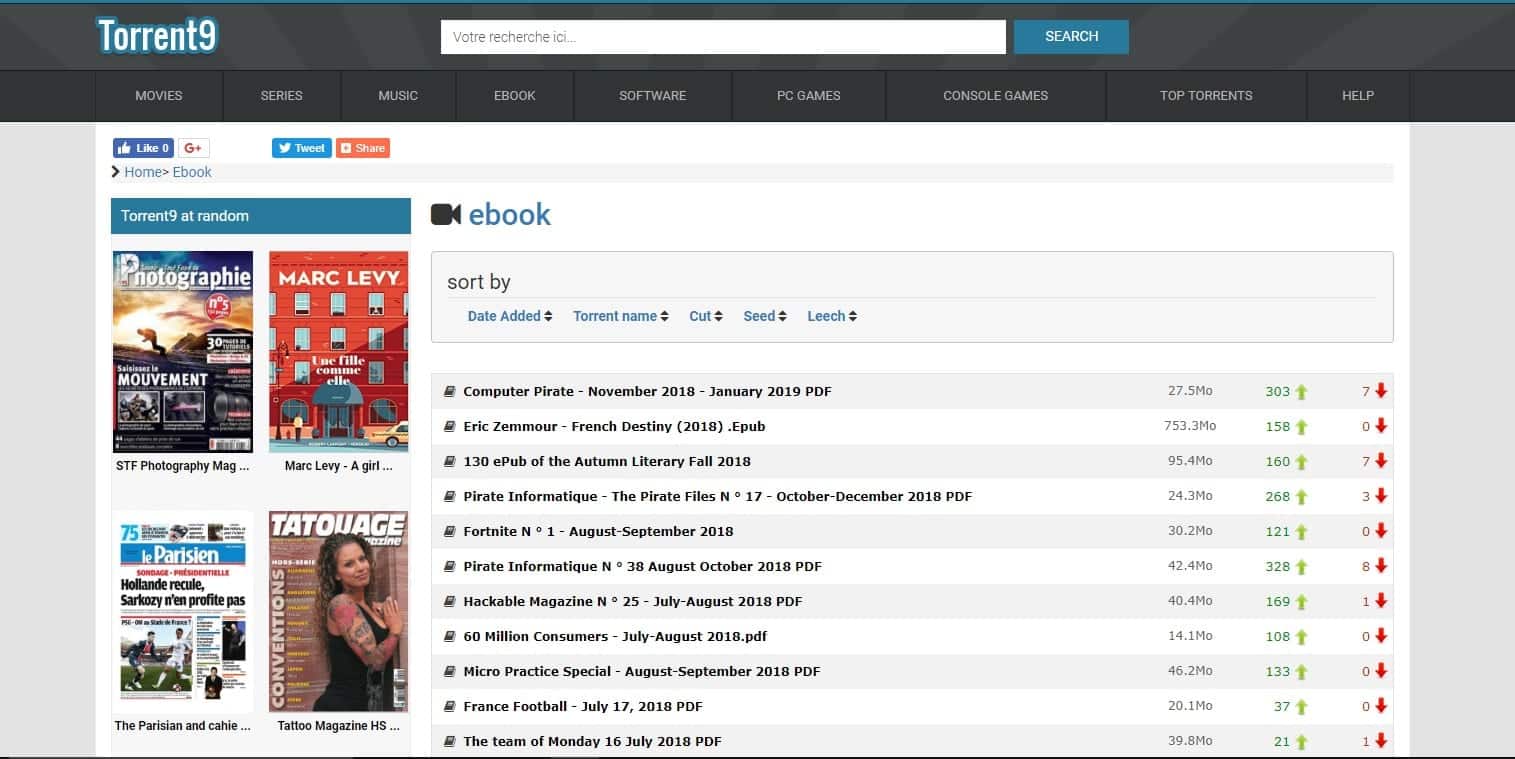
The next perfect torrent books site on the list is Torrent9. Similar to Torlock, Torrent9 also offers verified torrents.
Torrent9 has a dedicated section for ebooks which makes it easier to search torrent book. The UI of the website is visually impressive, and content is segregated into different sections.
In addition to ebooks, you can even also download other content like movies, televisions, games, music, anime, and apps from Torrent9.

8BookYards

BookYards is another well-developed best torrent site for books. This popular website has an extensive collection of more than 7000 ebooks and audiobooks. In addition to that, downloading these ebooks is completely free.
All ebooks on BookYards are very well organized into different categories like Art, Fiction, Religion & Spirituality, Parenting, Biography Memoirs, Economics
and much more.
Every ebook on BookYards is available in pdf format. Overall, BookYards is a reliable book torrents site and you can definitely get some good content to read on BookYards.

9SeedPeer

The next best torrent site for books is SeedPeer. Similar to other book torrents sites SeedPeer also has a dedicated section for ebooks.
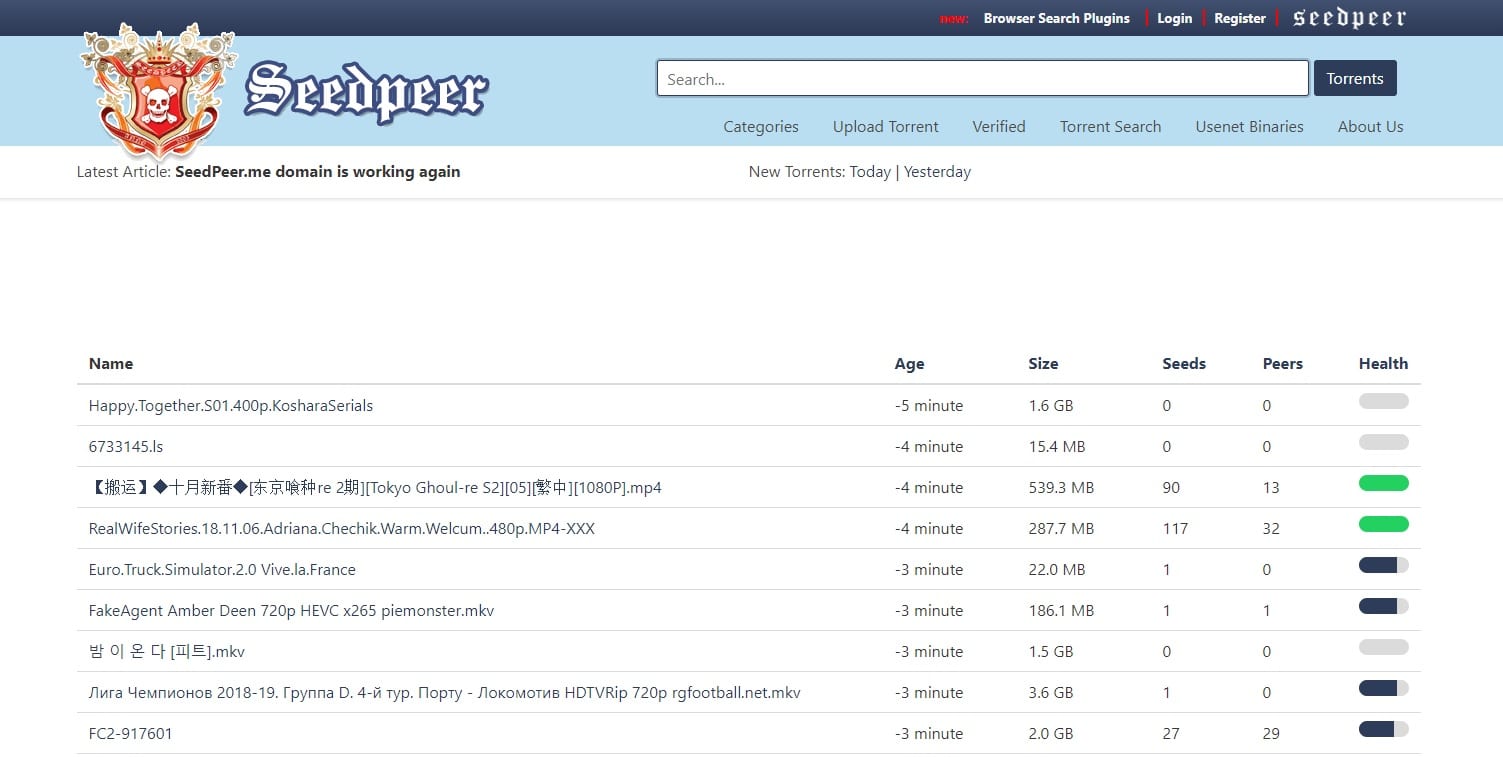
The visually clean UI of SeedPeer makes it easier to search ebooks. Well, SeedPeer is the renamed version of the popular decade-old torrent website Meganova.
SeedPeer displays the size of every ebook and the time it was uploaded on. Searching and downloading ebooks on SeedPeer is fairly simple.

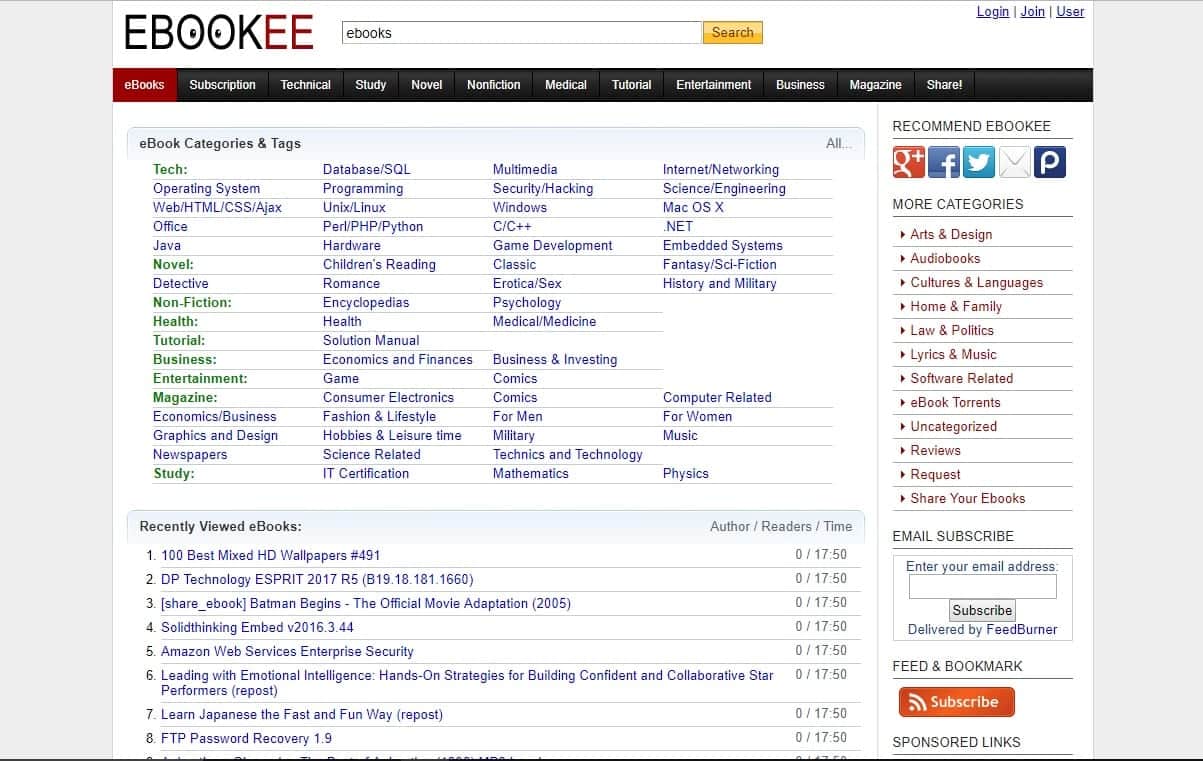
10Ebookee

The last website on the list for downloading free ebooks is Ebookee. If you are looking for educational ebooks then Ebookee will definitely impress you.
Ebookee has a clean UI and ebooks are very well segregated into different sections like Health, Business, Medical, Novel, Entertainment, Technology, Graphic & Design and much more.
Overall, Ebookee is one of the best torrenting E-book sites for reading educational ebooks.

Tuesday, June 25, 2019

HI THERE! I am Boniyeamin & thanks for showing interest to learn more about me. I am a student & currently pursuing Computer Science & Engineering(CSE). Studying at City University, Bangladesh. As I was interested in computers since my childhood, I chose Computer Science as my profession. I am a programmer with good knowledge of front-end techniques. I love structure and order and I also stand for quality. I love spending time on fixing little details and optimizing web apps. Also I like working in a team, you'll learn faster and much more. As the saying goes: 'two heads are better than one'.

Saturday, May 18, 2019

āĻ•াāϰāĻ• āĻ“ āĻŦিāĻ­āĻ•্āϤি


āĻ•াāϰāĻ• āĻ“ āĻŦিāĻ­āĻ•্āϤি


āĻŦিāĻ­āĻ•্āϤি

āĻŦাāĻ•্āϝেāϰ āĻāĻ•āϟি āĻļāĻŦ্āĻĻেāϰ āϏāĻ™্āĻ—ে āφāϰেāĻ•āϟি āĻļāĻŦ্āĻĻেāϰ āϏāĻŽ্āĻĒāϰ্āĻ• āϏ্āĻĨাāĻĒāύেāϰ āϜāύ্āϝ āĻļāĻŦ্āĻĻāĻ—ুāϞোāϰ āϏāĻ™্āĻ—ে āĻ•িāĻ›ু āĻļāĻŦ্āĻĻাংāĻļ āϝুāĻ•্āϤ āĻ•āϰāϤে āĻšā§Ÿ। āĻāχ āĻļāĻŦ্āĻĻাংāĻļāĻ—ুāϞোāĻ•ে āĻŦāϞা āĻšā§Ÿ āĻŦিāĻ­āĻ•্āϤি।

āĻŽা āĻļিāĻļু āϚাঁāĻĻ āĻĻেāĻ–া।
āωāĻĒāϰেāϰ āĻŦাāĻ•্āϝāϟিāϤে āĻ•োāύ āĻļāĻŦ্āĻĻেāϰ āϏāĻ™্āĻ—ে āĻŦিāĻ­āĻ•্āϤি āϝুāĻ•্āϤ āĻ•āϰা āĻšā§Ÿāύি। āĻĢāϞে āĻŦাāĻ•্āϝেāϰ āĻļāĻŦ্āĻĻāĻ—ুāϞোāϰ āĻŽāϧ্āϝে āĻ•োāύ āϏāĻŽ্āĻĒāϰ্āĻ• āϏৃāώ্āϟি āĻšā§Ÿāύি, āĻāĻŦং āĻāĻ—ুāϞো āĻŦাāĻ•্āϝāĻ“ āĻšā§Ÿে āωāĻ āϤে āĻĒাāϰেāύি। āĻāĻ–āύ āĻļিāĻļু’āϰ āϏāĻ™্āĻ—ে āĻ•ে āĻŦিāĻ­āĻ•্āϤি āφāϰ āĻĻেāĻ–া’āϰ āϏāĻ™্āĻ—ে āϚ্āĻ›েāύ’ āĻŦিāĻ­āĻ•্āϤি āϝোāĻ— āĻ•āϰāϞে āĻŦাāĻ•্āϝāϟি āĻšāĻŦে-
āĻŽা āĻļিāĻļুāĻ•ে āϚাঁāĻĻ āĻĻেāĻ–াāϚ্āĻ›েāύ।

āĻ…āϰ্āĻĨাā§Ž, āĻļāĻŦ্āĻĻāĻ—ুāϞোāϰ āĻŽāϧ্āϝে āĻĒাāϰāϏ্āĻĒāϰিāĻ• āϏāĻŽ্āĻĒāϰ্āĻ• āϏৃāώ্āϟিāϰ āĻŽাāϧ্āϝāĻŽে āĻāĻ•āϟি āĻŦাāĻ•্āϝ āϏāĻŽ্āĻĒূāϰ্āĻŖ āĻšāϞো āĻāĻŦং āĻāĻ–āύ āφāϰ āĻāĻ—ুāϞো āĻļāĻŦ্āĻĻ āύ⧟, āĻāĻ—ুāϞো āĻĒ্āϰāϤ্āϝেāĻ•āϟি āĻāĻ•েāĻ•āϟি āĻĒāĻĻ।

āĻļāĻŦ্āĻĻেāϰ āϏāĻ™্āĻ—ে āĻŦিāĻ­āĻ•্āϤি āϝুāĻ•্āϤ āĻšāϞে āϤāĻ–āύ āϏেāĻ—ুāϞোāĻ•ে āĻŦāϞা āĻšā§Ÿ āĻĒāĻĻ। āĻŦাāĻ•্āϝে āĻŦিāĻ­āĻ•্āϤি āĻ›া⧜া āĻ•োāύ āĻĒāĻĻ āĻĨাāĻ•ে āύা āĻŦāϞে āϧāϰা āĻšā§Ÿ। āϤাāχ āĻ•োāύ āĻļāĻŦ্āĻĻে āĻ•োāύ āĻŦিāĻ­āĻ•্āϤি āϝোāĻ— āĻ•āϰাāϰ āĻĒ্āϰ⧟োāϜāύ āύা āĻšāϞেāĻ“ āϧāϰে āύে⧟া āĻšā§Ÿ āϤাāϰ āϏāĻ™্āĻ—ে āĻāĻ•āϟি āĻŦিāĻ­āĻ•্āϤি āϝুāĻ•্āϤ āĻšā§ŸেāĻ›ে। āĻāĻŦং āĻāχ āĻŦিāĻ­āĻ•্āϤিāϟিāĻ•ে āĻŦāϞা āĻšā§Ÿ āĻļূāĻŖ্āϝ āĻŦিāĻ­āĻ•্āϤি। āωāĻĒāϰেāϰ āĻŦাāĻ•্āϝāϟিāϤে ‘āĻŽা’ āĻ“ ‘āϚাঁāĻĻ’ āĻļāĻŦ্āĻĻāĻĻুāϟিāϰ āϏāĻ™্āĻ—ে āĻ•োāύ āĻŦিāĻ­āĻ•্āϤি āϝোāĻ— āĻ•āϰাāϰ āĻĒ্āϰ⧟োāϜāύ āĻšā§Ÿāύি। āϤাāχ āϧāϰে āύিāϤে āĻšāĻŦে āĻāχ āĻļāĻŦ্āĻĻāĻĻুāϟিāϰ āϏāĻ™্āĻ—ে āĻļূāĻŖ্āϝ āĻŦিāĻ­āĻ•্āϤি āϝোāĻ— āĻšā§Ÿে āĻāĻ—ুāϞো āĻŦাāĻ•্āϝে āĻŦ্āϝāĻŦāĻšৃāϤ āĻšā§ŸেāĻ›ে, āĻāĻŦং āĻāχ āĻĻুāϟিāĻ“ āĻāĻ–āύ āĻĒāĻĻ।

āĻŽৌāϞিāĻ• āĻŦাংāϞা āĻļāĻŦ্āĻĻ āĻŦিāĻ­āĻ•্āϤিāĻ—ুāϞো āĻšāϞো- āĻļূāĻŖ্āϝ āĻŦিāĻ­āĻ•্āϤি (ā§Ļ), āĻ, ⧟, āϤে, āĻ•ে, āϰে, āϰ(āĻāϰ)। āϤāĻŦে āĻāĻ›া⧜াāĻ“ āĻ•িāĻ›ু āĻ•িāĻ›ু āĻ…āĻŦ্āϝ⧟ āĻļāĻŦ্āĻĻ āĻ•াāϰāĻ• āϏāĻŽ্āĻŦāύ্āϧ āύিāϰ্āϪ⧟েāϰ āϜāύ্āϝ āĻŦ্āϝāĻŦāĻšৃāϤ āĻšā§Ÿ। āĻāĻ—ুāϞো āĻšāϞো- āĻĻ্āĻŦাāϰা, āĻĻি⧟া, āĻ•āϰ্āϤৃāĻ•, āĻšāϤে, āĻĨেāĻ•ে, āϚে⧟ে, āχāϤ্āϝাāĻĻি।

āĻŦাংāϞা āĻļāĻŦ্āĻĻ āĻŦিāĻ­āĻ•্āϤি ā§­ āĻĒ্āϰāĻ•াāϰ-
āĻŦিāĻ­āĻ•্āϤিāϰ āύাāĻŽ
āĻŦিāĻ­āĻ•্āϤি
āĻĒ্āϰāĻĨāĻŽা āĻŦা āĻļূāĻŖ্āϝ āĻŦিāĻ­āĻ•্āϤি
ā§Ļ, āĻ…
āĻĻ্āĻŦিāϤী⧟া āĻŦিāĻ­āĻ•্āϤি
āĻ•ে, āϰে
āϤৃāϤী⧟া āĻŦিāĻ­āĻ•্āϤি
āĻĻ্āĻŦাāϰা, āĻĻি⧟া (āĻĻি⧟ে), āĻ•āϰ্āϤৃāĻ•
āϚāϤুāϰ্āĻĨী āĻŦিāĻ­āĻ•্āϤি
āĻ•ে, āϰে*
āĻĒāĻž্āϚāĻŽী āĻŦিāĻ­āĻ•্āϤি
āĻšāχāϤে (āĻšāϤে), āĻĨেāĻ•ে, āϚে⧟ে
āώāώ্āĻ ী āĻŦিāĻ­āĻ•্āϤি
āϰ, āĻāϰ
āϏāĻĒ্āϤāĻŽী āĻŦিāĻ­āĻ•্āϤি
āĻ, ⧟, āϤে


  • āϚāϤুāϰ্āĻĨী āĻŦিāĻ­āĻ•্āϤি āĻļুāϧুāĻŽাāϤ্āϰ āϏāĻŽ্āĻĒ্āϰāĻĻাāύ āĻ•াāϰāĻ•ে āϝুāĻ•্āϤ āĻšā§Ÿ।
  • āĻŦāϚāύāĻ­েāĻĻে āĻŦিāĻ­āĻ•্āϤিāϰ āφāĻ•ৃāϤি āĻĒāϰিāĻŦāϰ্āϤিāϤ āĻšā§Ÿ। āϤāĻŦে āĻ•োāύ āĻŦিāĻ­āĻ•্āϤি āϚিāĻš্āύিāϤ āĻ•āϰাāϰ āϜāύ্āϝ āωāĻĒāϰেāϰ āĻŦিāĻ­āĻ•্āϤিāϰ āϤাāϞিāĻ•াāϟি āĻŽāύে āϰাāĻ–āϞেāχ āϚāϞāĻŦে।
  • āĻŦিāĻ­āĻ•্āϤিāϰ āύাāĻŽ āϞেāĻ–াāϰ āϏāĻŽā§Ÿ āĻ•āĻ–āύো āϏংāĻ•্āώিāĻĒ্āϤ āφāĻ•াāϰে āϞেāĻ–া āϝাāĻŦে āύা। āĻ…āϰ্āĻĨাā§Ž āĻĻ্āĻŦিāϤী⧟া āĻŦিāĻ­āĻ•্āϤিāĻ•ে āĻ•āĻ–āύোāχ ⧍⧟া āĻŦিāĻ­āĻ•্āϤি āϞেāĻ–া āϝাāĻŦে āύা।
  • āĻŦিāĻ­āĻ•্āϤিāϰ āϤাāϞিāĻ•াāϟি āĻ­াāϞোāĻ­াāĻŦে āφāϤ্āĻŽāϏ্āĻĨ āĻ•āϰāϤে āĻšāĻŦে, āĻĒ্āϰ⧟োāϜāύ āĻšāϞে āĻŽুāĻ–āϏ্āĻĨ āĻ•āϰāϤে āĻšāĻŦে।

āĻ•াāϰāĻ•

āĻ•াāϰāĻ• āĻļāĻŦ্āĻĻেāϰ āφāĻ•্āώāϰিāĻ• āĻ…āϰ্āĻĨ ‘āϝা āĻ•্āϰি⧟া āϏāĻŽ্āĻĒাāĻĻāύ āĻ•āϰে’।

āĻŦাāĻ•্āϝেāϰ āĻ•্āϰি⧟াāĻĒāĻĻেāϰ āϏāĻ™্āĻ—ে āύাāĻŽāĻĒāĻĻেāϰ āϏāĻŽ্āĻĒāϰ্āĻ•āĻ•ে āĻ•াāϰāĻ• āĻŦāϞে। āĻ…āϰ্āĻĨাā§Ž, āĻŦাāĻ•্āϝেāϰ āĻ•্āϰি⧟াāĻĒāĻĻেāϰ āϏāĻ™্āĻ—ে āĻ…āύ্āϝাāύ্āϝ āĻĒāĻĻেāϰ āϝে āϏāĻŽ্āĻĒāϰ্āĻ•, āϤাāĻ•ে āĻ•াāϰāĻ• āĻŦāϞে।

āĻ•াāϰāĻ• ā§Ŧ āĻĒ্āϰāĻ•াāϰ-      ā§§. āĻ•āϰ্āϤৃāĻ•াāϰāĻ•
⧍. āĻ•āϰ্āĻŽāĻ•াāϰāĻ•
ā§Š. āĻ•āϰāĻŖāĻ•াāϰāĻ•
ā§Ē. āϏāĻŽ্āĻĒ্āϰāĻĻাāύ āĻ•াāϰāĻ•
ā§Ģ. āĻ…āĻĒাāĻĻাāύ āĻ•াāϰāĻ•
ā§Ŧ. āĻ…āϧিāĻ•āϰāĻŖ āĻ•াāϰāĻ•

āĻ•āϰ্āϤৃāĻ•াāϰāĻ•

āĻŦাāĻ•্āϝāϏ্āĻĨিāϤ āϝে āĻŦিāĻļেāώ্āϝ āĻŦা āϏāϰ্āĻŦāύাāĻŽ āĻĒāĻĻ āĻ•্āϰি⧟া āϏāĻŽ্āĻĒāύ্āύ āĻ•āϰে, āϤাāĻ•ে āĻ•্āϰি⧟াāϰ āĻ•āϰ্āϤা āĻŦা āĻ•āϰ্āϤৃāĻ•াāϰāĻ• āĻŦāϞে।
āĻ•্āϰি⧟াāĻ•ে ‘āĻ•ে/ āĻ•াāϰা’ āĻĻি⧟ে āĻĒ্āϰāĻļ্āύ āĻ•āϰāϞে āϝে āωāϤ্āϤāϰ āĻĒাāĻ“ā§Ÿা āϝা⧟, āϏেāϟিāχ āĻ•āϰ্āϤৃāĻ•াāϰāĻ•। (āĻ•āϰ্āĻŽāĻŦাāϚ্āϝ āĻ“ āĻ­াāĻŦāĻŦাāϚ্āϝেāϰ āĻŦাāĻ•্āϝে āĻāχ āύি⧟āĻŽ āĻ–াāϟāĻŦে āύা। āϏেāĻ•্āώেāϤ্āϰে āĻāĻ•āϟু āϏাāĻŦāϧাāύāϤা āĻ…āĻŦāϞāĻŽ্āĻŦāύ āĻ•āϰāϤে āĻšāĻŦে।)
āωāĻĻাāĻšāϰāĻŖ-                              
āĻ—āϰু āϘাāϏ āĻ–া⧟। (āĻ•ে āĻ–া⧟)             : āĻ•āϰ্āϤৃāĻ•াāϰāĻ•ে āĻļূāĻŖ্āϝ āĻŦিāĻ­āĻ•্āϤি

āĻ•āϰ্āĻŽ āĻ•াāϰāĻ•

āϝাāĻ•ে āĻ…āĻŦāϞāĻŽ্āĻŦāύ āĻ•āϰে āĻ•āϰ্āϤা āĻ•্āϰি⧟া āϏāĻŽ্āĻĒাāĻĻāύ āĻ•āϰে, āϤাāĻ•ে āĻ•্āϰি⧟াāϰ āĻ•āϰ্āĻŽ āĻŦা āĻ•āϰ্āĻŽāĻ•াāϰāĻ• āĻŦāϞে।

āĻ•্āϰি⧟াāĻ•ে ‘āĻ•ী/ āĻ•াāĻ•ে’ āĻĻি⧟ে āĻĒ্āϰāĻļ্āύ āĻ•āϰāϞে āϝে āωāϤ্āϤāϰ āĻĒাāĻ“ā§Ÿা āϝা⧟, āϏেāϟিāχ āĻ•āϰ্āĻŽāĻ•াāϰāĻ•।

āĻŦাāĻ•্āϝে āĻĻুāχāϟি āĻ•āϰ্āĻŽ āĻĨাāĻ•āϞে āĻŦāϏ্āϤ্āϤāĻŦাāϚāĻ• āĻ•āϰ্āĻŽāϟিāĻ•ে āĻĒ্āϰāϧাāύ āĻŦা āĻŽুāĻ–্āϝ āĻ•āϰ্āĻŽ āĻ“ āĻŦ্āϝāĻ•্āϤিāĻŦাāϚāĻ• āĻ•āϰ্āĻŽāϟিāĻ•ে āĻ—ৌāĻŖ āĻ•āϰ্āĻŽ āĻŦāϞে। āϤāĻŦে āĻĻুāχāϟি āĻāĻ•āχ āϧāϰāύেāϰ āĻ•āϰ্āĻŽ āĻĨাāĻ•āϞে āĻĒ্āϰāĻĨāĻŽ āĻ•āϰ্āĻŽāϟিāĻ•ে āωāĻĻ্āĻĻেāĻļ্āϝ āĻ•āϰ্āĻŽ āĻ“ āĻĻ্āĻŦিāϤী⧟āϟিāĻ•ে āĻŦিāϧে⧟ āĻ•āϰ্āĻŽ āĻŦāϞে। āϝেāĻŽāύ- ‘āĻĻুāϧāĻ•ে āĻŽোāϰা āĻĻুāĻ—্āϧ āĻŦāϞি, āĻšāϞুāĻĻāĻ•ে āĻŦāϞি āĻšāϰিāĻĻ্āϰা’। āĻāĻ–াāύে ‘āĻĻুāϧ’ āĻ“ ‘āĻšāϞুāĻĻ’ āωāĻĻ্āĻĻেāĻļ্āϝ āĻ•āϰ্āĻŽ, ‘āĻĻুāĻ—্āϧ’ āĻ“ ‘āĻšāϰিāĻĻ্āϰা’ āĻŦিāϧে⧟ āĻ•āϰ্āĻŽ।

āĻ•āϰ্āϤা āύিāϜে āĻ•াāϜ āύা āĻ•āϰে āĻ•āϰ্āĻŽāĻ•ে āĻĻি⧟ে āĻ•াāϜ āĻ•āϰি⧟ে āύিāϞে āϤাāĻ•ে āĻĒ্āϰāϝোāϜāĻ• āĻ•্āϰি⧟াāϰ āĻ•āϰ্āĻŽ āĻŦāϞে।

āĻ•্āϰি⧟াāĻĒāĻĻ āĻ“ āĻ•āϰ্āĻŽāĻĒāĻĻ āĻāĻ•āχ āϧাāϤু āĻĨেāĻ•ে āĻ—āĻ িāϤ āĻšāϞে āϤাāĻ•ে āϏāĻŽāϧাāϤুāϜ āĻ•āϰ্āĻŽ āĻŦāϞে। [āĻ•্āϰি⧟াāĻĒāĻĻ]

āωāĻĻাāĻšāϰāĻŖ-
āĻŦাāĻŦা āφāĻŽাāĻ•ে āĻāĻ•āϟি āϞ্āϝাāĻĒāϟāĻĒ āĻ•িāύে āĻĻি⧟েāĻ›েāύ। (āĻ•াāĻ•ে āĻĻি⧟েāĻ›েāύ? āφāĻŽাāĻ•ে। āĻ•ী āĻĻি⧟েāĻ›েāύ? āϞ্āϝাāĻĒāϟāĻĒ) : āφāĻŽাāĻ•ে- āĻ•āϰ্āĻŽāĻ•াāϰāĻ•ে āĻĻ্āĻŦিāϤী⧟া āĻŦিāĻ­āĻ•্āϤি (āĻ—ৌāĻŖ āĻ•āϰ্āĻŽ), āϞ্āϝাāĻĒāϟāĻĒ- āĻ•āϰ্āĻŽāĻ•াāϰāĻ•ে āĻļূāĻŖ্āϝ āĻŦিāĻ­āĻ•্āϤি (āĻŽুāĻ–্āϝ āĻ•āϰ্āĻŽ)

āĻĄাāĻ•্āϤাāϰ āĻĄাāĻ•। (āĻ•াāĻ•ে āĻĄাāĻ•?)                                  : āĻ•āϰ্āĻŽāĻ•াāϰāĻ•ে āĻļূāĻŖ্āϝ āĻŦিāĻ­āĻ•্āϤি
āφāĻŽাāĻ•ে āĻāĻ•āϟা āĻŦāχ āĻĻাāĻ“। (āĻ•াāĻ•ে āĻĻাāĻ“? āφāĻŽাāĻ•ে। āĻ•ী āĻĻাāĻ“? āĻŦāχ)    : āφāĻŽাāĻ•ে- āĻ•āϰ্āĻŽāĻ•াāϰāĻ•ে āĻĻ্āĻŦিāϤী⧟া āĻŦিāĻ­āĻ•্āϤি (āĻ—ৌāĻŖ āĻ•āϰ্āĻŽ), āĻŦāχ- āĻ•āϰ্āĻŽāĻ•াāϰāĻ•ে āĻĻ্āĻŦিāϤী⧟া āĻŦিāĻ­āĻ•্āϤি (āĻŽুāĻ–্āϝ āĻ•āϰ্āĻŽ)
āφāĻŽাāϰে āϤুāĻŽি āĻ•āϰিāĻŦে āϤ্āϰাāĻŖ, āĻ āύāĻšে āĻŽোāϰ āĻĒ্āϰাāϰ্āĻĨāĻŖা। (āĻ•াāĻ•ে āĻ•āϰিāĻŦে? āφāĻŽাāϰে) : āĻ•āϰ্āĻŽāĻ•াāϰāĻ•ে āĻĻ্āĻŦিāϤী⧟া āĻŦিāĻ­āĻ•্āϤি
āϤোāĻŽাāϰ āĻĻেāĻ–া āύাāχ। (āĻ•াāϰ āĻĻেāĻ–া? āϤোāĻŽাāϰ)                           : āĻ•āϰ্āĻŽāĻ•াāϰāĻ•ে āώāώ্āĻ ী āĻŦিāĻ­āĻ•্āϤি
āϜিāϜ্āĻžাāϏিāĻŦে āϜāύে āϜāύে। (āĻ•াāĻ•ে āϜিāϜ্āĻžাāϏিāĻŦে? āϜāύে āϜāύে)             : āĻ•āϰ্āĻŽāĻ•াāϰāĻ•ে āϏāĻĒ্āϤāĻŽী āĻŦিāĻ­āĻ•্āϤি

āĻ•āϰāĻŖ āĻ•াāϰāĻ•

āĻ•āϰāĻŖ āĻļāĻŦ্āĻĻেāϰ āĻ…āϰ্āĻĨ āϝāύ্āϤ্āϰ, āϏāĻšা⧟āĻ• āĻŦা āωāĻĒা⧟।

āϝে āωāĻĒাāĻĻাāύ āĻŦা āωāĻĒা⧟ে āĻ•্āϰি⧟া āϏāĻŽ্āĻĒাāĻĻāύ āĻ•āϰা āĻšā§Ÿ, āϤাāĻ•ে āĻ•āϰāĻŖ āĻ•াāϰāĻ• āĻŦāϞে।

āĻ•্āϰি⧟াāĻ•ে ‘āĻ•ী āĻĻি⧟ে/ āĻ•ী āωāĻĒা⧟ে’ āĻĻি⧟ে āĻĒ্āϰāĻļ্āύ āĻ•āϰāϞে āϝে āωāϤ্āϤāϰ āĻĒাāĻ“ā§Ÿা āϝা⧟, āϤাāχ āĻ•āϰāĻŖ āĻ•াāϰāĻ•।
āωāĻĻাāĻšāϰāĻŖ-

āĻĒি⧟াāϞ āĻ•āϞāĻŽ āĻĻি⧟ে āϞিāĻ–āĻ›ে। (āĻ•ী āĻĻি⧟ে āϞেāĻ–ে? āĻ•āϞāĻŽ āĻĻি⧟ে)          :āĻ•āϰāĻŖ āĻ•াāϰāĻ•ে āϤৃāϤী⧟া āĻŦিāĻ­āĻ•্āϤি
āĻ•ীāϰ্āϤিāĻŽাāύ āĻšā§Ÿ āϏাāϧāύা⧟। (āĻ•ী āωāĻĒা⧟ে āĻšā§Ÿ? āϏাāϧāύা⧟)          : āĻ•āϰāĻŖ āĻ•াāϰāĻ•ে āϏāĻĒ্āϤāĻŽী āĻŦিāĻ­āĻ•্āϤি
āĻĄাāĻ•াāϤেāϰা āĻ—ৃāĻšāĻ•āϰ্āϤাāϰ āĻŽাāĻĨা⧟ āϞাāĻ ি āĻŽেāϰেāĻ›ে। (āĻ•ী āĻĻি⧟ে āĻŽেāϰেāĻ›ে? āĻ—ুāϞি): āĻ•āϰāĻŖ āĻ•াāϰāĻ•ে āĻļূāĻŖ্āϝ āĻŦিāĻ­āĻ•্āϤি
āϞাāĻ™্āĻ—āϞ āĻĻি⧟ে āϜāĻŽি āϚাāώ āĻ•āϰা āĻšā§Ÿ। (āĻ•ী āĻĻি⧟ে āϚাāώ āĻ•āϰা āĻšā§Ÿ? āϞাāĻ™্āĻ—āϞ āĻĻি⧟ে): āĻ•āϰāĻŖ āĻ•াāϰāĻ•ে āϤৃāϤী⧟া āĻŦিāĻ­āĻ•্āϤি
āĻŽāύ āĻĻি⧟ে āĻĒ⧜াāĻļুāύা āĻ•āϰ। (āĻ•ী āωāĻĒা⧟ে/ āĻĻি⧟ে āĻ•āϰ? āĻŽāύ āĻĻি⧟ে)        :āĻ•āϰāĻŖ āĻ•াāϰāĻ•ে āϤৃāϤী⧟া āĻŦিāĻ­āĻ•্āϤি
āĻĢুāϞে āĻĢুāϞে āϘāϰ āĻ­āϰেāĻ›ে। (āĻ•ী āĻĻি⧟ে āĻ­āϰেāĻ›ে? āĻĢুāϞে āĻĢুāϞে)             : āĻ•āϰāĻŖ āĻ•াāϰāĻ•ে āϏāĻĒ্āϤāĻŽী āĻŦিāĻ­āĻ•্āϤি
āĻļিāĻ•াāϰি āĻŦি⧜াāϞ āĻ—োঁāĻĢে āϚেāύা āϝা⧟। (āĻ•ী āĻĻি⧟ে/ āωāĻĒা⧟ে āϚেāύা āϝা⧟? āĻ—োঁāĻĢে): āĻ•āϰāĻŖ āĻ•াāϰāĻ•ে āϏāĻĒ্āϤāĻŽী āĻŦিāĻ­āĻ•্āϤি
āϏাāϧāύা⧟ āϏāĻŦ āĻšā§Ÿ। (āĻ•ী āωāĻĒা⧟ে āϏāĻŦ āĻšā§Ÿ? āϏাāϧāύা⧟)                   : āĻ•āϰāĻŖ āĻ•াāϰāĻ•ে āϏāĻĒ্āϤāĻŽী āĻŦিāĻ­āĻ•্āϤি
āĻ āϏুāϤা⧟ āĻ•াāĻĒ⧜ āĻšā§Ÿ āύা। (āĻ•ী āĻĻি⧟ে āĻšā§Ÿ āύা? āϏুāϤা⧟)                 : āĻ•āϰāĻŖ āĻ•াāϰāĻ•ে āϏāĻĒ্āϤāĻŽী āĻŦিāĻ­āĻ•্āϤি

āϏāĻŽ্āĻĒ্āϰāĻĻাāύ āĻ•াāϰāĻ•

āϝাāĻ•ে āϏ্āĻŦāϤ্āĻŦ āϤ্āϝাāĻ— āĻ•āϰে āĻ•িāĻ›ু āĻĻে⧟া āĻšā§Ÿ, āϤাāĻ•ে āϏāĻŽ্āĻĒ্āϰāĻĻাāύ āĻ•াāϰāĻ• āĻŦāϞে।

‘āĻ•াāĻ•ে āĻĻাāύ āĻ•āϰা āĻšāϞ’ āĻĒ্āϰāĻļ্āύেāϰ āωāϤ্āϤāϰāχ āĻšāϞো āϏāĻŽ্āĻĒ্āϰāĻĻাāύ āĻ•াāϰāĻ•।

āϏāĻŽ্āĻĒ্āϰāĻĻাāύ āĻ•াāϰāĻ•েāϰ āύি⧟āĻŽ āĻ…āύ্āϝাāύ্āϝ āύি⧟āĻŽেāϰ āĻŽāϤোāχ āϏংāϏ্āĻ•ৃāϤ āĻŦ্āϝাāĻ•āϰāĻŖ āĻĨেāĻ•েāχ āĻāϏেāĻ›ে। āϤāĻŦে āĻ…āύেāĻ• āĻŦাংāϞা āĻŦ্āϝাāĻ•āϰāĻŖāĻŦিāĻĻ/ āĻŦৈ⧟াāĻ•āϰāĻŖ āĻāĻ•ে āφāϞাāĻĻা āĻ•োāύ āĻ•াāϰāĻ• āĻšিāϏেāĻŦে āϏ্āĻŦীāĻ•াāϰ āĻ•āϰেāύ āύা। āϤাāϰা āĻāĻ•েāĻ“ āĻ•āϰ্āĻŽ āĻ•াāϰāĻ• āĻšিāϏেāĻŦেāχ āĻ—āĻŖ্āϝ āĻ•āϰেāύ। āĻ•āϰ্āĻŽāĻ•াāϰāĻ• āĻ“ āϏāĻŽ্āĻĒ্āϰāĻĻাāύ āĻ•াāϰāĻ•েāϰ āĻŦৈāĻļিāώ্āϟ্āϝāĻ“ āĻāĻ•āχ। āĻ•েāĻŦāϞ āϏ্āĻŦāϤ্āĻŦ āϤ্āϝাāĻ— āĻ•āϰে āĻĻাāύ āĻ•āϰাāϰ āĻ•্āώেāϤ্āϰে āĻ•āϰ্āĻŽāĻ•াāϰāĻ• āĻšিāϏেāĻŦে āĻ—āĻŖ্āϝ āύা āĻ•āϰে āĻ•āϰ্āĻŽāĻĒāĻĻāϟিāĻ•ে āϏāĻŽ্āĻĒ্āϰāĻĻাāύ āĻ•াāϰāĻ• āĻšিāϏেāĻŦে āĻ—āĻŖ্āϝ āĻ•āϰা āĻšā§Ÿ।

āϏāĻŽ্āĻĒ্āϰāĻĻাāύ āĻ•াāϰāĻ•ে āĻĻ্āĻŦিāϤী⧟া āĻŦিāĻ­āĻ•্āϤিāϰ āĻŦāĻĻāϞে āϚāϤুāϰ্āĻĨী āĻŦিāĻ­āĻ•্āϤি āϝুāĻ•্āϤ āĻšā§Ÿ। āϚāϤুāϰ্āĻĨী āĻŦিāĻ­āĻ•্āϤি āφāϰ āĻ•োāĻĨাāĻ“ āϝুāĻ•্āϤ āĻšā§Ÿ āύা। āĻ…āϰ্āĻĨাā§Ž, ‘āĻ•ে/ āϰে’ āĻŦিāĻ­āĻ•্āϤি āĻĻুāϟি āϏāĻŽ্āĻĒ্āϰāĻĻাāύ āĻ•াāϰāĻ•েāϰ āϏāĻ™্āĻ—ে āĻĨাāĻ•āϞে āϤা āϚāϤুāϰ্āĻĨী āĻŦিāĻ­āĻ•্āϤি। āĻ…āύ্āϝ āĻ•োāύ āĻ•াāϰāĻ•েāϰ āϏāĻ™্āĻ—ে āĻĨাāĻ•āϞে āϤা āĻĻ্āĻŦিāϤী⧟া āĻŦিāĻ­āĻ•্āϤি।

āϤāĻŦে āĻ•োāĻĨাāĻ“ āύিāĻŽিāϤ্āϤাāϰ্āĻĨে ‘āĻ•ে’ āĻŦিāĻ­āĻ•্āϤি āϝুāĻ•্āϤ āĻšāϞে āϤা āϚāϤুāϰ্āĻĨী āĻŦিāĻ­āĻ•্āϤি āĻšā§Ÿ। āϝেāĻŽāύ- āĻŦেāϞা āϝে āĻĒ⧜ে āĻāϞ, āϜāϞāĻ•ে āϚāϞ। (āύিāĻŽিāϤ্āϤাāϰ্āĻĨে āϚāϤুāϰ্āĻĨী āĻŦিāĻ­āĻ•্āϤি)

āωāĻĻাāĻšāϰāĻŖ-
āĻ­িāĻ–াāϰিāĻ•ে āĻ­িāĻ•্āώা āĻĻাāĻ“। (āĻ•াāĻ•ে āĻĻাāύ āĻ•āϰা āĻšāϞ? āĻ­িāĻ–াāϰিāĻ•ে।) : āϏāĻŽ্āĻĒ্āϰāĻĻাāύ āĻ•াāϰāĻ•ে āϚāϤুāϰ্āĻĨী āĻŦিāĻ­āĻ•্āϤি
āĻ…āϏāĻšা⧟āĻ•ে āĻ–াāĻĻ্āϝ āĻĻাāĻ“। (āĻ•াāĻ•ে āĻĻাāύ āĻ•āϰা āĻšāϞ? āĻ…āϏāĻšা⧟āĻ•ে।) : āϏāĻŽ্āĻĒ্āϰāĻĻাāύ āĻ•াāϰāĻ•ে āϚāϤুāϰ্āĻĨী āĻŦিāĻ­āĻ•্āϤি
āĻ…āύ্āϧāϜāύে āĻĻেāĻš āφāϞো, āĻŽৃāϤāϜāύে āĻĻেāĻš āĻĒ্āϰাāĻŖ। (āĻ•াāĻ•ে āĻĻাāύ āĻ•āϰা āĻšāϞ? āĻ…āύ্āϧāϜāύে।): āϏāĻŽ্āĻĒ্āϰāĻĻাāύ āĻ•াāϰāĻ•ে āϏāĻĒ্āϤāĻŽী āĻŦিāĻ­āĻ•্āϤি
āϏāĻŽিāϤিāϤে āϚাঁāĻĻা āĻĻাāĻ“। (āĻ•াāĻ•ে āĻĻাāύ āĻ•āϰা āĻšāϞ? āϏāĻŽিāϤিāϤে।)   : āϏāĻŽ্āĻĒ্āϰāĻĻাāύ āĻ•াāϰāĻ•ে āϏāĻĒ্āϤāĻŽী āĻŦিāĻ­āĻ•্āϤি

āĻ…āĻĒাāĻĻাāύ āĻ•াāϰāĻ•

āϝা āĻĨেāĻ•ে āĻ•োāύ āĻ•িāĻ›ু āĻ—ৃāĻšীāϤ, āĻŦিāϚ্āϝুāϤ, āϜাāϤ, āĻŦিāϰāϤ, āφāϰāĻŽ্āĻ­, āĻĻূāϰীāĻ­ূāϤ, āϰāĻ•্āώিāϤ, āĻ­ীāϤ āĻšā§Ÿ, āϤাāĻ•ে āĻ…āĻĒাāĻĻাāύ āĻ•াāϰāĻ• āĻŦāϞে।

āĻ…āϰ্āĻĨাā§Ž, āĻ…āĻĒাāĻĻাāύ āĻ•াāϰāĻ• āĻĨেāĻ•ে āĻ•োāύ āĻ•িāĻ›ু āĻŦেāϰ āĻšāĻ“ā§Ÿা āĻŦোāĻা⧟।

‘āĻ•ি āĻšāϤে āĻŦেāϰ āĻšāϞ’ āĻĒ্āϰāĻļ্āύেāϰ āωāϤ্āϤāϰāχ āĻ…āĻĒাāĻĻাāύ āĻ•াāϰāĻ•।

āωāĻĻাāĻšāϰāĻŖ-

āĻ—াāĻ› āĻĨেāĻ•ে āĻĒাāϤা āĻĒ⧜ে। (āĻ•ি āĻšāϤে āĻŦেāϰ āĻšāϞ/ āĻĒ⧜āϞ? āĻ—াāĻ› āĻĨেāĻ•ে): āĻ…āĻĒাāĻĻাāύ āĻ•াāϰāĻ•ে āĻĒāĻž্āϚāĻŽী āĻŦিāĻ­āĻ•্āϤি
āĻļুāĻ•্āϤি āĻĨেāĻ•ে āĻŽুāĻ•্āϤি āĻŽেāϞে। (āĻ•ি āĻšāϤে āĻŦেāϰ āĻšāϞ? āĻļুāĻ•্āϤি āĻĨেāĻ•ে) : āĻ…āĻĒাāĻĻাāύ āĻ•াāϰāĻ•ে āĻĒāĻž্āϚāĻŽী āĻŦিāĻ­āĻ•্āϤি
āϜāĻŽি āĻĨেāĻ•ে āĻĢāϏāϞ āĻĒাāχ। (āĻ•ি āĻšāϤে āĻŦেāϰ āĻšāϞ? āϜāĻŽি āĻĨেāĻ•ে)   : āĻ…āĻĒাāĻĻাāύ āĻ•াāϰāĻ•ে āĻĒāĻž্āϚāĻŽী āĻŦিāĻ­āĻ•্āϤি
āĻĻেāĻļ āĻĨেāĻ•ে āĻšা⧟েāύাāϰা āϚāϞে āĻ—েāĻ›ে। (āĻ•ি āĻšāϤে āĻŦেāϰ āĻšāϞ? āĻĻেāĻļ āĻĨেāĻ•ে):āĻ…āĻĒাāĻĻাāύ āĻ•াāϰāĻ•ে āĻĒāĻž্āϚāĻŽী āĻŦিāĻ­āĻ•্āϤি
āĻŦিāĻĒāĻĻ āĻĨেāĻ•ে āĻŦাঁāϚাāĻ“। (āĻ•ি āĻšāϤে āĻŦাঁāϚাāĻ“? āĻŦিāĻĒāĻĻ āĻšāϤে)         : āĻ…āĻĒাāĻĻাāύ āĻ•াāϰāĻ•ে āĻĒāĻž্āϚāĻŽী āĻŦিāĻ­āĻ•্āϤি
āĻŦাāϘāĻ•ে āϭ⧟ āĻĒা⧟ āύা āĻ•ে? (āĻ•ি āĻšāϤে āϭ⧟ āĻŦেāϰ āĻšāϞ? āĻŦাāϘ āĻšāϤে): āĻ…āĻĒাāĻĻাāύ āĻ•াāϰāĻ•ে āĻĻ্āĻŦিāϤী⧟া āĻŦিāĻ­āĻ•্āϤি
āĻŽāύে āĻĒ⧜ে āϏেāχ āϜৈāώ্āĻ ্āϝেāϰ āĻĻুāĻĒুāϰে āĻĒাāĻ āĻļাāϞা āĻĒāϞা⧟āύ। (āĻ•ি āĻšāϤে āĻŦেāϰ āĻšāϞ/ āĻĒāϞা⧟āύ? āĻĒাāĻ āĻļাāϞা āĻšāϤে) : āĻ…āĻĒাāĻĻাāύ āĻ•াāϰāĻ•ে āĻļূāĻŖ্āϝ āĻŦিāĻ­āĻ•্āϤি
āĻŦাāĻŦাāĻ•ে āĻŦāĻĄ্āĻĄ āϭ⧟ āĻĒাāχ। (āĻ•ি āĻšāϤে āϭ⧟ āĻŦেāϰ āĻšā§Ÿ? āĻŦাāĻŦা āĻšāϤে): āĻ…āĻĒাāĻĻাāύ āĻ•াāϰāĻ•ে āĻĻ্āĻŦিāϤী⧟া āĻŦিāĻ­āĻ•্āϤি
āϤিāύি āϚāϟ্āϟāĻ—্āϰাāĻŽ āĻĨেāĻ•ে āĻāϏেāĻ›েāύ। (āĻ•ি āĻšāϤে āĻŦেāϰ āĻšā§ŸেāĻ›েāύ/ āĻāϏেāĻ›েāύ? āϚāϟ্āϟāĻ—্āϰাāĻŽ āĻšāϤে): āĻ…āĻĒাāĻĻাāύ āĻ•াāϰāĻ•ে āĻĒāĻž্āϚāĻŽী āĻŦিāĻ­āĻ•্āϤি
āĻŦিāĻŽাāύ āĻĨেāĻ•ে āĻŦোāĻŽা āĻĢেāϞা āĻšā§ŸেāĻ›িāϞো। (āĻ•ি āĻšāϤে āĻŦেāϰ āĻšāϞ/ āĻĢেāϞা āĻšāϞ? āĻŦিāĻŽাāύ āĻšāϤে): āĻ…āĻĒাāĻĻাāύ āĻ•াāϰāĻ•ে āĻĒāĻž্āϚāĻŽী āĻŦিāĻ­āĻ•্āϤি

āĻ…āϧিāĻ•āϰāĻŖ āĻ•াāϰāĻ•

āĻ•্āϰি⧟া āϏāĻŽ্āĻĒাāĻĻāύেāϰ āĻ•াāϞ āĻāĻŦং āφāϧাāϰāĻ•ে (āϏāĻŽā§Ÿ āĻāĻŦং āϏ্āĻĨাāύāĻ•ে) āĻ…āϧিāĻ•āϰāĻŖ āĻ•াāϰāĻ• āĻŦāϞে।

āĻ•্āϰি⧟াāĻ•ে ‘āĻ•োāĻĨা⧟/ āĻ•āĻ–āύ/ āĻ•ী āĻŦিāώ⧟ে’ āĻĻি⧟ে āĻĒ্āϰāĻļ্āύ āĻ•āϰāϞে āϝে āωāϤ্āϤāϰ āĻĒাāĻ“ā§Ÿা āϝা⧟, āϤাāχ āĻ…āϧিāĻ•āϰāĻŖ āĻ•াāϰāĻ•।

āωāĻĻাāĻšāϰāĻŖ-
āĻĒুāĻ•ুāϰে āĻŽাāĻ› āφāĻ›ে। (āĻ•োāĻĨা⧟ āφāĻ›ে? āĻĒুāĻ•ুāϰে)         : āĻ…āϧিāĻ•āϰāĻŖ āĻ•াāϰāĻ•ে āϏāĻĒ্āϤāĻŽী āĻŦিāĻ­āĻ•্āϤি
āĻŦāύে āĻŦাāϘ āφāĻ›ে। (āĻ•োāĻĨা⧟ āφāĻ›ে? āĻŦāύে)                      : āĻ…āϧিāĻ•āϰāĻŖ āĻ•াāϰāĻ•ে āϏāĻĒ্āϤāĻŽী āĻŦিāĻ­āĻ•্āϤি
āϘাāϟে āύৌāĻ•া āĻŦাঁāϧা āφāĻ›ে। (āĻ•োāĻĨা⧟ āĻŦাঁāϧা āφāĻ›ে? āϘাāϟে)        : āĻ…āϧিāĻ•āϰāĻŖ āĻ•াāϰāĻ•ে āϏāĻĒ্āϤāĻŽী āĻŦিāĻ­āĻ•্āϤি
āϰাāϜাāϰ āĻĻু⧟াāϰে āĻšাāϤি āĻŦাঁāϧা। (āĻ•োāĻĨা⧟ āĻŦাঁāϧা? āĻĻু⧟াāϰে)   : āĻ…āϧিāĻ•āϰāĻŖ āĻ•াāϰāĻ•ে āϏāĻĒ্āϤāĻŽী āĻŦিāĻ­āĻ•্āϤি
āϏāĻ•াāϞে āϏূāϰ্āϝ āĻ“āĻ ে। (āĻ•āĻ–āύ āĻ“āĻ ে? āϏāĻ•াāϞে)                    : āĻ…āϧিāĻ•āϰāĻŖ āĻ•াāϰāĻ•ে āϏāĻĒ্āϤāĻŽী āĻŦিāĻ­āĻ•্āϤি
āĻ āĻŦা⧜িāϤে āĻ•েāω āύেāχ। (āĻ•োāĻĨা⧟ āĻ•েāω āύেāχ? āĻŦা⧜িāϤে)      : āĻ…āϧিāĻ•āϰāĻŖ āĻ•াāϰāĻ•ে āϏāĻĒ্āϤāĻŽী āĻŦিāĻ­āĻ•্āϤি
āύāĻĻীāϤে āĻĒাāύি āφāĻ›ে। (āĻ•োāĻĨা⧟ āφāĻ›ে? āύāĻĻীāϤে)               : āĻ…āϧিāĻ•āϰāĻŖ āĻ•াāϰāĻ•ে āϏāĻĒ্āϤāĻŽী āĻŦিāĻ­āĻ•্āϤি
āϰāĻŦিāύ āĻ…āĻ™্āĻ•ে āĻ•াঁāϚা। (āĻ•ী āĻŦিāώ⧟ে āĻ•াঁāϚা? āĻ…āĻ™্āĻ•ে)          : āĻ…āϧিāĻ•āϰāĻŖ āĻ•াāϰāĻ•ে āϏāĻĒ্āϤāĻŽী āĻŦিāĻ­āĻ•্āϤি
āϏāϜিāĻŦ āĻŦ্āϝাāĻ•āϰāĻŖে āĻ­াāϞ। (āĻ•ী āĻŦিāώ⧟ে āĻ•াঁāϚা? āĻŦ্āϝাāĻ•āϰāĻŖে)        : āĻ…āϧিāĻ•āϰāĻŖ āĻ•াāϰāĻ•ে āϏāĻĒ্āϤāĻŽী āĻŦিāĻ­āĻ•্āϤি
āϘāϰেāϰ āĻŽāϧ্āϝে āĻ•ে āϰে? (āĻ•োāĻĨা⧟? āϘāϰে)                         : āĻ…āϧিāĻ•āϰāĻŖ āĻ•াāϰāĻ•ে āĻ…āύুāϏāϰ্āĻ— āĻŽāϧ্āϝে
āĻŦা⧜ি āĻĨেāĻ•ে āύāĻĻী āĻĻেāĻ–া āϝা⧟। (āĻ•োāĻĨা⧟ āĻĨেāĻ•ে āĻĻেāĻ–া āϝা⧟? āĻŦা⧜ি āĻĨেāĻ•ে):āĻ…āϧিāĻ•āϰāĻŖে āĻĒāĻž্āϚāĻŽী āĻŦিāĻ­āĻ•্āϤি*
  • āĻļেāώ āωāĻĻাāĻšāϰāĻŖāϟিāϤে āύāĻĻী āĻŦা⧜ি āĻĨেāĻ•ে āĻŦেāϰ āĻšā§Ÿāύি, āϤাāχ āĻāϟি āĻ…āĻĒাāĻĻাāύ āĻ•াāϰāĻ• āύ⧟। āύāĻĻী āĻŦা⧜ি āĻĨেāĻ•েāχ āĻĻেāĻ–া āϝা⧟। āĻ…āϰ্āĻĨাā§Ž, āĻ•্āϰি⧟াāϟি āĻŦা⧜িāϤেāχ āϘāϟāĻ›ে, āϤাāχ āĻāϟি āĻ…āϧিāĻ•āϰāĻŖ āĻ•াāϰāĻ•।

āĻ…āĻĒাāĻĻাāύ-āĻ…āϧিāĻ•āϰāĻŖ āĻ•াāϰāĻ•েāϰ āĻĒাāϰ্āĻĨāĻ•্āϝ

āĻ…āĻĒাāĻĻাāύ āĻ“ āĻ…āϧিāĻ•āϰāĻŖ āĻ•াāϰāĻ• āφāϞাāĻĻা āĻ•āϰāϤে āĻ—ি⧟ে āĻ…āύেāĻ•েāϰāχ āϏāĻŽāϏ্āϝা āĻšā§Ÿ। āĻ…āĻĒাāĻĻাāύ āĻ“ āĻ…āϧিāĻ•āϰāĻŖ āĻ•াāϰāĻ•āĻ•ে āφāϞাāĻĻা āĻ•āϰে āϚেāύাāϰ āϏāĻšāϜ āωāĻĒা⧟ āĻšāϞো, āĻ…āĻĒাāĻĻাāύ āĻ•াāϰāĻ• āĻĨেāĻ•ে āĻ•োāύ āĻ•িāĻ›ু āĻŦেāϰ āĻšā§Ÿ āĻŦোāĻা⧟। āφāϰ āĻ…āϧিāĻ•āϰāĻŖ āĻ•াāϰāĻ•েāϰ āĻŽাāĻেāχ āĻ•্āϰি⧟া āϏāĻŽ্āĻĒাāĻĻিāϤ āĻšā§Ÿ।

āϝেāĻŽāύ- ‘āϤিāϞে āĻĨেāĻ•ে āϤেāϞ āĻšā§Ÿ’ āφāϰ ‘āϤিāϞে āϤেāϞ āφāĻ›ে’।
āĻĒ্āϰāĻĨāĻŽ āĻŦাāĻ•্āϝে āϤিāϞেāϰ āĻ­েāϤāϰ āĻ•্āϰি⧟া āϏংāϘāϟিāϤ āĻšā§Ÿāύি। āĻŦāϰং āϤিāϞ āĻĨেāĻ•ে āϤেāϞ āĻŦেāϰ āĻšāĻ“ā§Ÿাāϰ āĻ•āĻĨা āĻŦোāĻাāϚ্āĻ›ে।
āφāϰ āĻĻ্āĻŦিāϤী⧟ āĻŦাāĻ•্āϝে āϤিāϞেāϰ āĻ­েāϤāϰāχ āϤিāϞ āĻĨাāĻ•াāϰ āĻ•āĻĨা āĻŦāϞāĻ›ে। āĻāχ ‘āφāĻ›ে’ āĻ•্āϰি⧟াāϟি āϤিāϞেāϰ āĻ­েāϤāϰে āĻĨেāĻ•েāχ āĻ•াāϜ āĻ•āϰāĻ›ে।


āĻāϰāĻ•āĻŽ-āĻŦিāĻĒāĻĻ āĻĨেāĻ•ে āĻŦাঁāϚাāĻ“- āĻ…āĻĒাāĻĻাāύ āĻ•াāϰāĻ•
        āĻŦিāĻĒāĻĻে āĻŦাঁāϚাāĻ“- āĻ…āϧিāĻ•āϰāĻŖ āĻ•াāϰāĻ•
        āĻļুāĻ•্āϤি āĻĨেāĻ•ে āĻŽুāĻ•্āϤি āĻŽেāϞে- āĻ…āĻĒাāĻĻাāύ āĻ•াāϰāĻ•
        āĻļুāĻ•্āϤিāϤে āĻŽুāĻ•্āϤি āĻšā§Ÿ- āĻ…āϧিāĻ•āϰāĻŖ āĻ•াāϰāĻ•
        āϜāĻŽি āĻĨেāĻ•ে āĻĢāϏāϞ āĻĒাāχ- āĻ…āĻĒাāĻĻাāύ āĻ•াāϰāĻ•
        āϜāĻŽিāϤে āĻĢāϏāϞ āĻšā§Ÿ- āĻ…āϧিāĻ•āϰāĻŖ āĻ•াāϰāĻ•

āύিāϚে āĻ•াāϰāĻ• āύিāϰ্āϪ⧟েāϰ āωāĻĒা⧟ āϏংāĻ•্āώেāĻĒে āĻ›āĻ• āφāĻ•াāϰে āĻĻে⧟া āĻšāϞো-
āĻ•্āϰি⧟াāĻ•ে āĻĒ্āϰāĻļ্āύ
āωāϤ্āϤāϰ āϝে āĻ•াāϰāĻ•
āĻ•ে, āĻ•াāϰা?
āĻ•āϰ্āϤৃāĻ•াāϰāĻ•
āĻ•ী, āĻ•াāĻ•ে?
āĻ•āϰ্āĻŽāĻ•াāϰāĻ•
āĻ•ী āĻĻি⧟ে?
āĻ•āϰāĻŖāĻ•াāϰāĻ•
āĻ•াāĻ•ে āĻĻাāύ āĻ•āϰা āĻšāϞ?
āϏāĻŽ্āĻĒ্āϰāĻĻাāύ āĻ•াāϰāĻ•
āĻ•ি āĻšāϤে āĻŦেāϰ āĻšāϞ?
āĻ…āĻĒাāĻĻাāύ āĻ•াāϰāĻ•
āĻ•োāĻĨা⧟, āĻ•āĻ–āύ, āĻ•ী āĻŦিāώ⧟ে?
āĻ…āϧিāĻ•āϰāĻŖ āĻ•াāϰāĻ•


āĻ•াāϰāĻ• āĻ“ āĻŦিāĻ­āĻ•্āϤি āĻŽāύে āϰাāĻ–াāϰ āĻ•ৌāĻļāϞ

āĻ•াāϰāĻ• ā§Ŧ āĻĒ্āϰāĻ•াāϰ:
ā§§. āĻ•āϰ্āϤৃāĻ•াāϰāĻ•;
⧍. āĻ•āϰ্āĻŽāĻ•াāϰāĻ•;
ā§Š. āĻ•āϰāĻŖāĻ•াāϰāĻ•;
ā§Ē. āϏāĻŽ্āĻĒ্āϰāĻĻাāύ āĻ•াāϰāĻ•;
ā§Ģ. āĻ…āĻĒাāĻĻাāύ āĻ•াāϰāĻ•; āĻāĻŦং
ā§Ŧ. āĻ…āϧিāĻ•āϰāĻŖ āĻ•াāϰāĻ•।
ā§§।āĻ•āϰ্āϤৃāĻ•াāϰāĻ•: āϝে āĻ•াāϜ āĻ•āϰে āϏেāχ āĻ•āϰ্āϤা āĻŦা
āĻ•āϰ্āϤāĻ•াāϰāĻ•।
āϝেāĻŽāύ: āφāĻŽি āĻ­াāϤ āĻ–াāχ।
āĻŦাāϞāĻ•েāϰা āĻŽাāĻ ে āĻĢুāϟāĻŦāϞ āĻ–েāϞāĻ›ে।
āĻāĻ–াāύে āĻŽāύে āϰাāĻ–াāϰ āωāĻĒাāϝ় āĻšāϚ্āĻ›ে ‘āĻ•ে’ āĻŦা
‘āĻ•াāϰা’ āĻĻিāϝ়ে āĻĒ্āϰāĻļ্āύ āĻ•āϰāϞে āϝে āωāϤ্āϤāϰ
āĻĒাāĻ“āϝ়া āϝাāϝ়, āϏেāϟিāχ āĻ•āϰ্āϤা āĻŦা āĻ•āϰ্āϤৃāĻ•াāϰāĻ•।
āĻ•ে āĻ­াāϤ āĻ–াāϝ়?
āωāϤ্āϤāϰ āĻšāϚ্āĻ›ে āφāĻŽি।
āĻ•াāϰা āĻĢুāϟāĻŦāϞ āĻ–েāϞāĻ›ে?
āωāϤ্āϤāϰ āĻšāϚ্āĻ›ে-āĻŦাāϞāĻ•েāϰা।
āϤাāĻšāϞে āφāĻŽি āĻāĻŦং āĻŦাāϞāĻ•েāϰা āĻšāϚ্āĻ›ে
āĻ•āϰ্āϤৃāĻ•াāϰāĻ•।
⧍। āĻ•āϰ্āĻŽāĻ•াāϰāĻ•: āĻ•āϰ্āϤা āϝাāĻ•ে āĻ…āĻŦāϞāĻŽ্āĻŦāύ āĻ•āϰে
āĻ•াāϰ্āϝ āϏāĻŽ্āĻĒাāĻĻāύ āĻ•āϰে āϏেāϟাāχ āĻ•āϰ্āĻŽ āĻŦা
āĻ•āϰ্āĻŽāĻ•াāϰāĻ•।
āϝেāĻŽāύ: āφāĻŽি āĻ­াāϤ āĻ–াāχ।
āĻšাāĻŦিāĻŦ āϏোāĻšāϞāĻ•ে āĻŽেāϰেāĻ›ে।
āĻāĻ–াāύে āĻŽāύে āϰাāĻ–াāϰ āωāĻĒাāϝ় āĻšāϚ্āĻ›ে ‘ āĻ•ি’ āĻŦা
‘āĻ•াāĻ•ে’ āĻĻিāϝ়ে āĻĒ্āϰāĻļ্āύ āĻ•āϰāϞে āϝে āωāϤ্āϤāϰ
āĻĒাāĻ“āϝ়া āϏেāϟিāχ āĻ•āϰ্āĻŽ āĻŦা āĻ•āϰ্āĻŽāĻ•াāϰāĻ•।
āφāĻŽি āĻ•ি āĻ–াāχ?
āωāϤ্āϤāϰ āĻšāϚ্āĻ›ে-āĻ­াāϤ।
āĻšাāĻŦিāĻŦ āĻ•াāĻ•ে āĻŽেāϰেāĻ›ে?
āωāϤ্āϤāϰ āĻšāϚ্āĻ›ে-āϏোāĻšেāϞāĻ•ে।
ā§Š। āĻ•āϰāĻŖ āĻ•াāϰāĻ•: āĻ•্āϰিāϝ়া āϏāĻŽ্āĻĒাāĻĻāύেāϰ āϝāύ্āϤ্āϰ āĻŦা
āωāĻĒāĻ•āϰāĻŖ āĻŦুāĻাāϝ়।
āϝেāĻŽāύ: āύীāϰা āĻ•āϞāĻŽ āĻĻিāϝ়ে āϞেāĻ–ে।
āϏাāϧāύাāϝ় āϏিāĻĻ্āϧি āϞাāĻ­ āĻšāϝ়।
āĻāĻ–াāύে āĻŽāύে āϰাāĻ–াāϰ āωāĻĒাāϝ় āĻšāϚ্āĻ›ে ‘ āĻ•ীāϏেāϰ
āĻĻ্āĻŦাāϰা’ āĻŦা ‘āĻ•ী āωāĻĒাāϝ়ে’ āĻĻিāϝ়ে āĻĒ্āϰāĻļ্āύ āĻ•āϰāϞে
āϝে āωāϤ্āϤāϰ āĻĒাāĻ“āϝ়া āϝাāϝ় āϏেāϟিāχ āĻ•āϰāĻŖ āĻ•াāϰāĻ•।
āύীāϰা āĻ•ীāϏেāϰ āĻĻ্āĻŦাāϰা āϞেāĻ–ে?
āωāϤ্āϤāϰ āĻšāϚ্āĻ›ে-āĻ•āϞāĻŽ ।
āĻ•ী āωāĻĒাāϝ়ে āĻŦা āĻ•োāύ āωāĻĒাāϝ়ে āĻ•ীāϰ্āϤিāĻŽাāύ
āĻšāĻ“āϝ়া āϝাāϝ়?
āωāϤ্āϤāϰ āĻšāϚ্āĻ›ে-āϏাāϧāύাāϝ়।
ā§Ē। āϏāĻŽ্āĻĒ্āϰāĻĻাāύ āĻ•াāϰāĻ•: āϏ্āĻŦāϤ্āĻŦ āϤ্āϝাāĻ— āĻ•āϰে āĻĻাāύ
āĻŦা āĻ…āϰ্āϚāύা āĻŦুāĻাāϞে āϏāĻŽ্āĻĒ্āϰāĻĻাāύ āĻ•াāϰāĻ• āĻšāϝ়।
āϏ্āĻŦāϤ্āĻŦ āϤ্āϝাāĻ— āύা āĻ•āϰāϞে āĻ•āϰ্āĻŽāĻ•াāϰāĻ•।
āϝেāĻŽāύ: āĻ­িāĻ•্āώাāϰীāĻ•ে āĻ­িāĻ•্āώা āĻĻাāĻ“।
āĻ—ুāϰুāϜāύে āĻ•āϰ āύāϤি।
āĻŽāύে āϰাāĻ–াāϰ āωāĻĒাāϝ় āĻšāϚ্āĻ›ে-āĻ•āϰ্āĻŽāĻ•াāϰāĻ•েāϰ āĻŽāϤ
āĻ•াāĻ•ে āĻĻিāϝ়ে āĻĒ্āϰāĻļ্āύ āĻ•āϰāϞে āϰে āωāϤ্āϤāϰ
āĻĒাāĻ“āϝ়া āϝাāϝ়।
āϤāĻŦে āĻāĻ–াāύে āϏ্āĻŦāϤ্āĻŦ āĻĨাāĻ•āĻŦেāύা। āϝেāĻŽāύ āĻŽাāύুāώ
āĻ­িāĻ•্āώাāϰীāĻ•ে āĻĻাāύ āĻ•āϰে āĻ•োāύ āϏ্āĻŦāϤ্āĻŦ
āĻ›াāĻĄ়াāχ āϝাāĻ•ে āĻŦāϞে āύি:āĻļāϰ্āϤ āĻ­াāĻŦে। āφāĻŦাāϰ
āĻ—ুāϰুāϜāύāĻ•ে āĻŽাāύুāώ āϏāĻŽ্āĻŽাāύ āĻ•āϰে āĻ•োāύ āϏ্āĻŦাāϰ্āĻĨ
āĻ›াāĻĄ়াāχ।
ā§Ģ। āĻ…āĻĒাāĻĻাāύ āĻ•াāϰāĻ•: āĻšāϤে, āĻĨেāĻ•ে āĻŦুāĻাāϞে
āĻ…āĻĒাāĻĻাāύ āĻ•াāϰāĻ• āĻšāĻŦে।
āϝেāĻŽāύ: āĻ—াāĻ› āĻĨেāĻ•ে āĻĒাāϤা āĻĒāĻĄ়ে।
āĻĒাāĻĒে āĻŦিāϰāϤ āĻšāĻ“।
āĻāĻ–াāĻ›ে āĻ•োāĻĨা āĻĨেāĻ•ে āĻĒাāϤা āĻĒāĻĄ়ে?
āωāϤ্āϤāϰ āĻšāϚ্āĻ›ে-āĻ—াāĻ› ।
āĻ•ি āĻšāϤে āĻŦিāϰāϤ āĻšāĻ“?
āωāϤ্āϤāϰ āĻšāϚ্āĻ›ে – āĻĒাāĻĒ ।
ā§Ŧ। āĻ…āϧিāĻ•āϰāĻŖ āĻ•াāϰāĻ•: āĻ•্āϰিāϝ়াāϰ āϏāĻŽ্āĻĒাāĻĻāύেāϰ
āϏāĻŽāϝ় āĻŦা āϏ্āĻĨাāύāĻ•ে āĻ…āϧিāĻ•āϰāĻŖ āĻ•াāϰāĻ• āĻŦāϞে।
āϝেāĻŽāύ: āφāĻŽāϰা āϰোāϜ āϏ্āĻ•ুāϞে āϝাāχ।
āĻĒ্āϰāĻ­াāϤে āϏূāϰ্āϝ āĻ“āĻ ে।
āĻŽāύে āϰাāĻ–াāϰ āωāĻĒাāϝ় āĻšāϚ্āĻ›ে-
āĻ•োāĻĨাāϝ় āĻāĻŦং āĻ•āĻ–āύ āĻĻিāϝ়ে āĻĒ্āϰāĻļ্āύ āĻ•āϰāϞে āϝে
āωāϤ্āϤāϰ āĻĒাāĻ“āϝ়া āϝাāϝ়।
āφāĻŽāϰা āϰোāϜ āĻ•োāĻĨাāϝ় āϝাāχ?
āωāϤ্āϤāϰ āĻšāϚ্āĻ›ে-āϏ্āĻ•ুāϞে। āφāϰ āϏ্āĻ•ুāϞ āĻāĻ•āϟি āϏ্āĻĨাāύ।
āĻ•āĻ–āύ āϏূāϰ্āϝ āĻ“āĻ ে?
āωāϤ্āϤāϰ āĻšāϚ্āĻ›ে-āĻĒ্āϰāĻ­াāϤে। āφāϰ āĻĒ্āϰāĻ­াāϤ āĻāĻ•āϟি
āĻ•াāϞ āĻŦা āϏāĻŽāϝ়।
āĻŦিāĻ­āĻ•্āϤি āĻŽāύে āϰাāĻ–াāϰ āωāĻĒাāϝ়:
āĻŦাংāϞাāϝ় āĻŦিāĻ­āĻ•্āϤি āϏাāϤ āĻĒ্āϰāĻ•াāϰ।
āĻĒ্āϰāĻĨāĻŽা āĻŦিāĻ­āĻ•্āϤি: āĻ… āĻāĻŦং ā§Ļ ।
āĻĻ্āĻŦিāϤীāϝ়া āĻŦিāĻ­āĻ•্āϤি: āĻ•ে āĻāĻŦং āϰে ।
āϤৃāϤীāϝ়া āĻŦিāĻ­āĻ•্āϤি: āĻĻ্āĻŦাāϰা, āĻĻিāϝ়া āĻāĻŦং
āĻ•āϰ্āϤৃāĻ• ।
āϚāϤুāĻĨী āĻŦিāĻ­āĻ•্āϤি: āĻĻ্āĻŦিāϤীāϝ়া āĻŦিāĻ­āĻ•্āϤিāϰ āĻŽāϤ
āϤāĻŦে āύিāĻŽিāϤ্āϤ āĻŦা āϜāύ্āϝ āĻŦুāĻাāĻŦে।
āĻĒāĻž্āϚāĻŽী āĻŦিāĻ­āĻ•্āϤি: āĻšāϤে, āĻĨেāĻ•ে āĻāĻŦং āϚেāϝ়ে

āώāώ্āĻ ী āĻŦিāĻ­āĻ•্āϤি: āϰ āĻāĻŦং āĻāϰ ।
āϏāĻĒ্āϤāĻŽী āĻŦিāĻ­āĻ•্āϤি: āĻ, āϝ় ,āϤে āĻĨাāĻ•ে।